When choosing ceiling lights for your shower, waterproofing is crucial. Many people wonder how to tell if a ceiling light is waterproof for shower use. It's not just about looks; safety is paramount. Proper lighting ensures that you can see clearly while maintaining your comfort.
There are various lighting options available, but not all are suitable for wet environments. Checking the IP rating is essential. An IP rating indicates the level of protection against water and dust. Look for lights with an IP rating of at least 65. These fixtures resist water splashes and moisture, making them ideal for use in a shower.
Inadequate lighting can lead to accidents, making it critical to choose wisely. Some lights may seem waterproof but fail during actual use. Always verify specifications from reliable brands. Don't rush your decision, as poor choices can have lasting repercussions. Pay attention to details, and make sure your shower remains well-lit and safe.
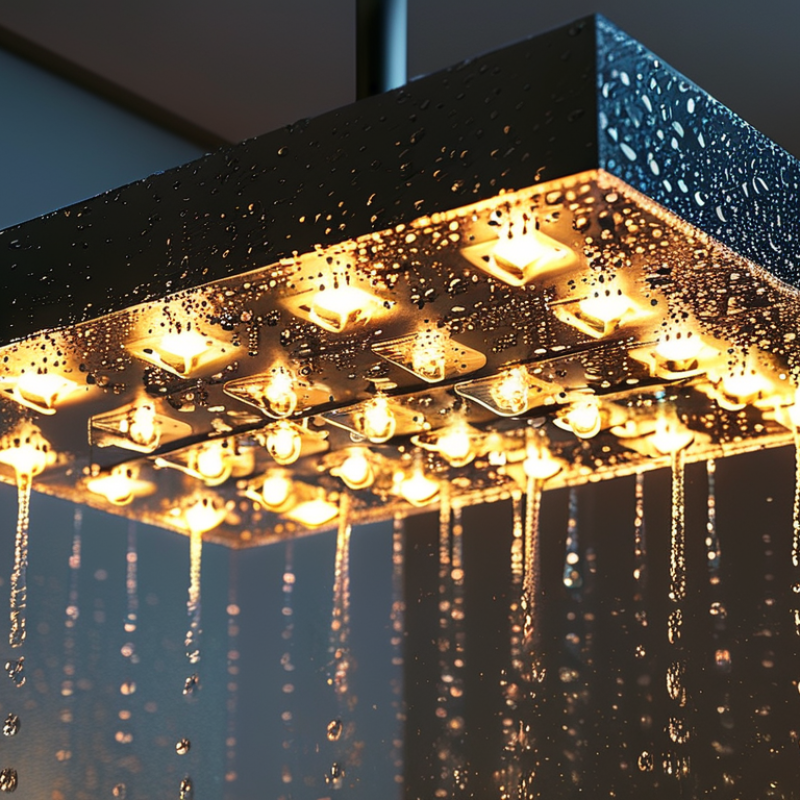
Waterproof lighting in showers is crucial. Bathrooms are humid environments. Water can splash everywhere, creating safety risks. Using lights that aren't waterproof can lead to electrical failures. Imagine water entering a fixture and causing a short circuit. This situation can lead to serious safety hazards.
Choosing the right waterproof lighting involves understanding specific ratings. Look for fixtures rated at least IP65. This rating ensures protection from dust and water jets. A good design can handle moisture while still providing bright, clear illumination. It’s vital to check installation guidelines. Are the lights easy to install? Are they applicable for your specific bathroom layout?
Shower lighting should enhance relaxation, not create anxiety. Poorly rated lights can dim your mood. In contrast, quality waterproof options create a soothing atmosphere. They can improve visibility for daily routines. Assess your needs before purchasing. Reflect on the balance between aesthetics and safety.
When choosing waterproof shower ceiling lights, certain key features stand out. The first important aspect is the IP rating. Look for lights with an IP65 or higher rating. This indicates they are dust-tight and protected against water. Such lights will withstand the moisture and steam typically found in bathrooms.
Consider the material used in the fixture. Stainless steel and high-quality plastic can endure humid conditions better than cheaper alternatives. These materials resist corrosion and maintain appearance over time. Aesthetic appeal is also vital. Choose designs that blend well with your bathroom decor while serving their practical purpose.
Tips: Ensure proper installation to maximize the fixture's waterproof capabilities. Check for any gaps during the installation process. Utilizing expert assistance can often save trouble later. After installation, regularly inspect the lights for any signs of wear or moisture buildup. This precaution helps maintain safety and functionality over the long term. Remember, lighting plays a significant role in creating the right ambiance, so select wisely.
When selecting shower ceiling lights, understanding their waterproof rating is crucial. Water exposure can lead to short circuits or mold growth. The IP (Ingress Protection) rating system evaluates how well lighting fixtures resist water and dust. Look for lights rated IP65 or higher for wet environments. This rating indicates protection against low-pressure water jets, making them suitable for showers.
To check a light's waterproof rating, inspect the packaging or user manual. Manufacturers should display the IP rating clearly. If it’s not visible, consider alternatives. Researching online can provide user reviews and expert opinions. Remember, a higher rating offers better protection, but installation also plays a role. Sealing gaps and ensuring proper positioning can enhance waterproofing.
It’s not always easy to find trusted information. Some sources may exaggerate claims or focus on aesthetics over functionality. Take time to compare different options thoroughly. Being diligent about these details can prevent water damage and unexpected costs later. Always prioritize safety and reliability when choosing shower ceiling lights.
When installing ceiling lights in your shower,
ensuring they are waterproof
is crucial. Lights in wet areas face moisture and potential electrical hazards. The
The National Electrical Code (NEC) classifies bathroom lighting into
three zones, each with specific requirements for waterproof fixtures. Choosing fixtures
rated for damp or wet locations is essential to
maintain safety and functionality.
Proper installation can further enhance the waterproofing of ceiling lights.
Sealant is often necessary
to prevent moisture infiltration. An IP rating can indicate
waterproof capabilities. An IP rating of at least 65 is advisable
for areas directly exposed to water. Inadequate sealing or improper installation could
lead to malfunctions. An estimated 30% of
electrical faults in bathrooms stem from moisture-related issues.
Regular inspections and
maintenance are advised to ensure long-term effectiveness and safety.
It is vital to check the manufacturer's specifications and installation
instructions. Many installation guides emphasize using gaskets and silicone sealants
effectively. However, practitioners sometimes overlook these details. Without proper
attention, even high-quality fixtures can fail. One study indicated nearly
40% of waterproofing failures
are due to installation missteps. Always prioritize safety and follow best practices
when installing ceiling lights in your shower.
When it comes to waterproof shower lighting, maintenance is key. Regularly inspect fixtures for any signs of moisture buildup. Check for rust or corrosion, especially around seals and fittings. A simple wipe can go a long way in preventing issues. Use a soft cloth and gentle cleaners. Harsh chemicals may damage the finish and seals.
Ensure that the lights are properly installed. Poor installation can lead to leaks over time. If you notice flickering lights or unusual sounds, it may indicate water ingress. Address these problems immediately. Sometimes, it’s necessary to replace bulbs or even entire fixtures. It can feel overwhelming, but timely actions prevent bigger issues.
Consider the environment. Showers can produce steam and humidity, stressing any lighting solution. Using a dehumidifier can help maintain a suitable atmosphere. It’s also important to review the manufacturer's guidelines. Not all lights are created equal. Understand what waterproof means in the context of your fixtures. Small details matter when aiming for long-lasting results.
: Look for lights with an IP rating of 65 or higher. It indicates dust-tight and water protection.
Stainless steel and high-quality plastic endure humid conditions better than cheaper alternatives.
Proper installation is key. Use sealants to prevent moisture infiltration during installation.
Regular inspections can reveal moisture buildup or wear, maintaining safety and functionality long-term.
Inadequate sealing can lead to malfunctions and increase the risk of electrical faults.
Flickering lights may indicate water ingress. Address the issue immediately to avoid bigger problems.
Using a dehumidifier can help control steam and humidity levels, protecting lights.
Yes, many failures stem from overlooking manufacturer specifications and installation instructions.
Use gentle cleaners and a soft cloth. Harsh chemicals may damage the finish and seals.
Waterproof indicates resilience to moisture, but not all lights are equally effective. Understanding specifics matters.
When it comes to selecting shower ceiling lights, ensuring they are waterproof is crucial for both safety and functionality. Understanding the importance of waterproof lighting in wet areas helps you make informed decisions. Key features to look for include IP ratings, material durability, and design that minimizes water exposure. To determine how to tell if a ceiling light is waterproof for shower use, check the manufacturer's specifications, focusing on the IP rating which indicates the level of protection against water and dust.
Proper installation is vital for maintaining the waterproof integrity of ceiling lights in showers. Be sure to follow guidelines that emphasize sealing and mounting techniques. Additionally, routine maintenance practices can prolong the lifespan of your waterproof shower lighting, ensuring that they remain effective and safe over time. By following these tips, you can confidently choose and maintain ceiling lights that are both practical and secure for your shower environment.