Engineered for global interoperability, commercial reliability, and compliance with the latest smart home standards.
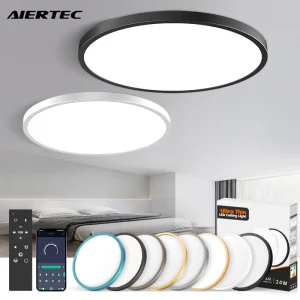
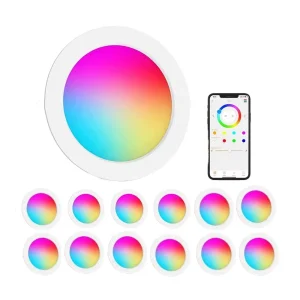
Analyzing key drivers in IoT integration, building automation protocols, and commercial sustainability demands.
The global smart lighting ecosystem is undergoing an unprecedented shift from static, traditional LED installations to highly integrated, software-driven Human-Centric Lighting (HCL) environments. Driven by global decarbonization mandates and the transition to building-management systems (BMS), commercial, residential, and institutional procurement agents are prioritizing luminaires that support multi-protocol wireless stacks, high color fidelity, and dynamic light tuning.
According to recent industry analytics, the global smart lighting market size is projected to exceed USD 46 Billion by 2030, registering a CAGR of over 20%. The driving factor is no longer simply energy conservation—which LEDs solved in the previous decade—but rather the integration of lighting into the Internet of Things (IoT) fabric. Devices now act as sensory nodes capable of reporting ambient occupancy data, temperature gradients, and environmental conditions back to cloud-based building optimization suites.
In B2B scenarios, from class-A corporate office developments to luxury hospitality projects, the architectural requirement has moved beyond simple wall-switch dimming. Designers mandate spectral engineering—specifically fixtures that replicate natural daylight cycles (circadian lighting). This requires sophisticated drivers capable of handling stepless color temperature changes (from 2700K to 6500K) while maintaining zero flicker index to mitigate worker fatigue.
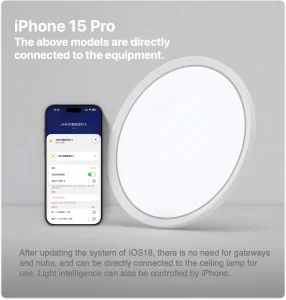
Furthermore, smart ceiling lights must now coexist within unified smart frameworks. The release of the Matter protocol (over Thread or Wi-Fi) has broken down the traditional walled gardens of smart home ecosystems, enabling seamless, native control across Apple Home, Google Assistant, Amazon Alexa, and Samsung SmartThings. Manufacturers that adapt to these open standards can help global distributors slash software development costs and minimize device onboarding friction.
| Protocol Stack | Optimal Commercial Scenario | Latency & range Performance | Primary Market Target |
|---|---|---|---|
| Matter Over Thread | Residential & Office Mesh Networks | Ultra-low latency, self-healing mesh, no local hub bottleneck | North America, Western Europe (Premium Smart Home Integration) |
| Zigbee 3.0 / Tuya Smart | Hotel Rooms & Assisted Living Complex | High density node capacity, proven local controller stability | Global B2B Project Procurement, Commercial Retrofits |
| Wi-Fi Dual Band (2.4/5GHz) | Direct Consumer Apps & Retail Spaces | Direct cloud control, high bandwidth, standard router dependency | E-Commerce Distributors, Mass Retail Buyers |
| Bluetooth Mesh (SIG) | Industrial Warehouses & Commercial Floors | High physical range, dense beacon networking, location-based tracking | Large Scale Smart Building Automation |
How we design smart ceiling light engines to meet modern architectural and regulatory standards.
Utilizing advanced phosphor packaging, our high-end smart lights replicate the solar spectrum. This limits blue-light spikes, offering superior eye comfort and meeting strict WELL Building Standard guidelines.
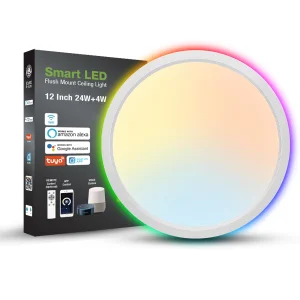
Engineered with dual-channel CCT mixing drivers and addressable RGBIC ICs, providing smooth transitions from warm amber to cool daylight alongside vibrant multi-color dynamic scenes.
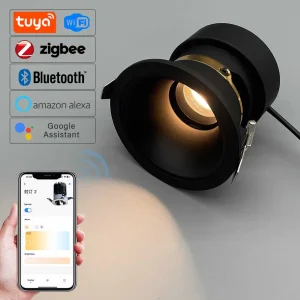
Our smart drivers feature universal dimming chipsets that natively hook into Zigbee, BLE, Wi-Fi, and Matter networks, certified with CE, SAA, FCC, and RoHS compliance certificates.
Constructed with thermally conductive aluminum backing and high-heat-deflection ABS housings. This ensures LED junction temperatures stay under 75°C, expanding L70 lifespan to 50,000+ hours.
Sealed structure designs specifically engineered for wet damp locations like bathrooms, kitchens, hotel spa facilities, and covered outdoor entryways, protecting internal driver modules.
Optional 5.8GHz microwave radar integration. These sensors penetrate non-metallic covers, detecting presence with higher precision than traditional PIR sensors, and driving smart energy-saving modes.
Why sourcing smart ceiling lighting fixtures from Shandong, China optimizes your bottom-line and ensures procurement speed.
Global supply chain resilience depends on clustering raw materials, component manufacturing, electronic sub-assembly, and rapid logistics. Shandong SciBrite Lighting Co., Ltd., situated in the industrial manufacturing hub of Linyi, Shandong Province, China, leverages these cluster dynamics to provide rapid lead times, consistent quality, and competitive pricing.
Linyi is widely recognized as the logistics capital of Northern China. It features integrated supply networks for aluminum extrusion, ABS injection molding, and PCB manufacturing. By eliminating long-distance domestic transport of raw components, we drastically reduce upstream delays and environmental overheads compared to isolated production facilities.
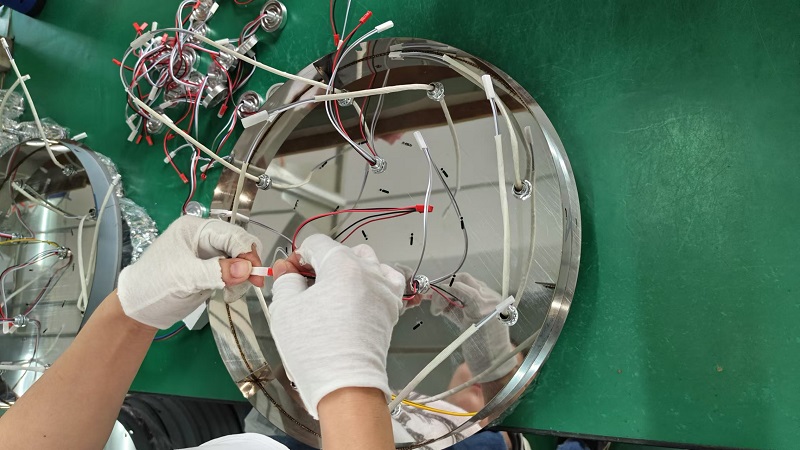
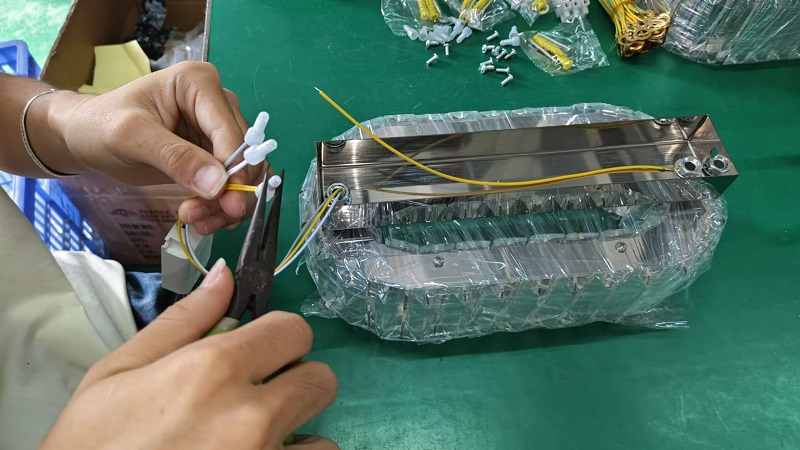
Additionally, our vertical integration spans from raw material processing to final optical calibration. By handling key stages—including PCB assembly (SMT), aluminum enclosure fabrication, and advanced driver testing—in-house, SciBrite retains direct control over the quality loop. This system minimizes margins of error and speeds up customized product iterations for OEM/ODM clients.
Our streamlined manufacturing processes are built to meet the needs of international engineering distributors, high-volume e-commerce platforms, and major lighting brands. With on-site testing labs that check for EMC compatibility, thermal dissipation, and waterproof ingress (IP rating), we ensure our smart ceiling fixtures arrive ready to meet local regulatory guidelines.
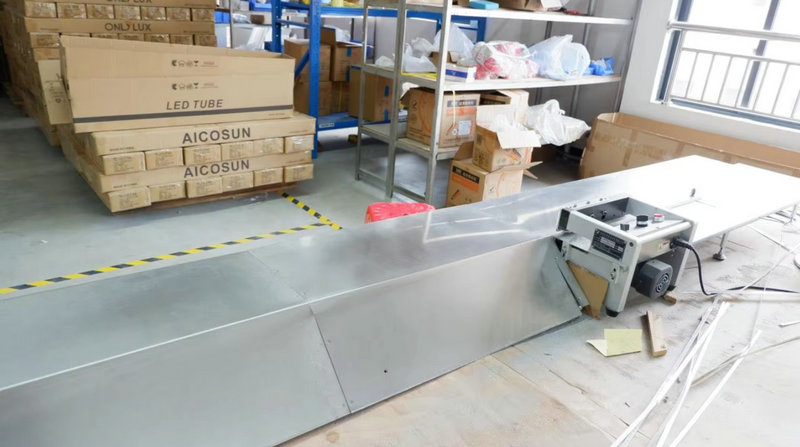
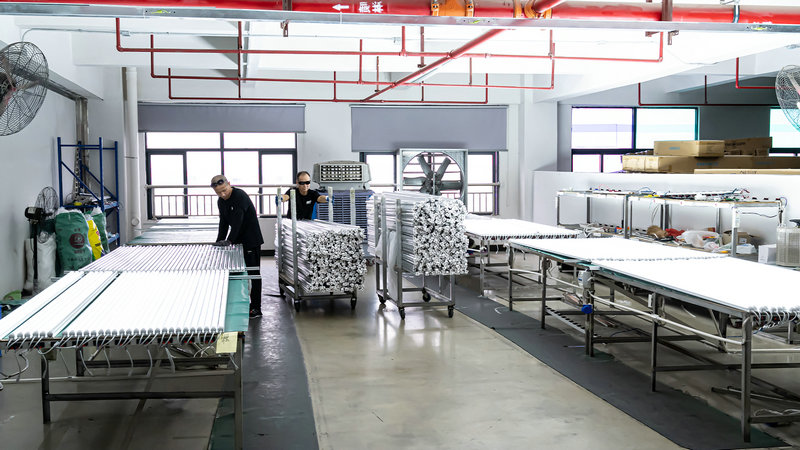
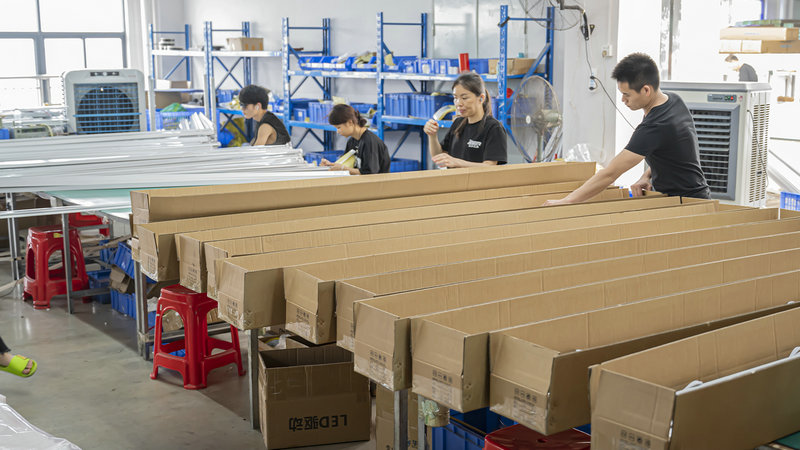
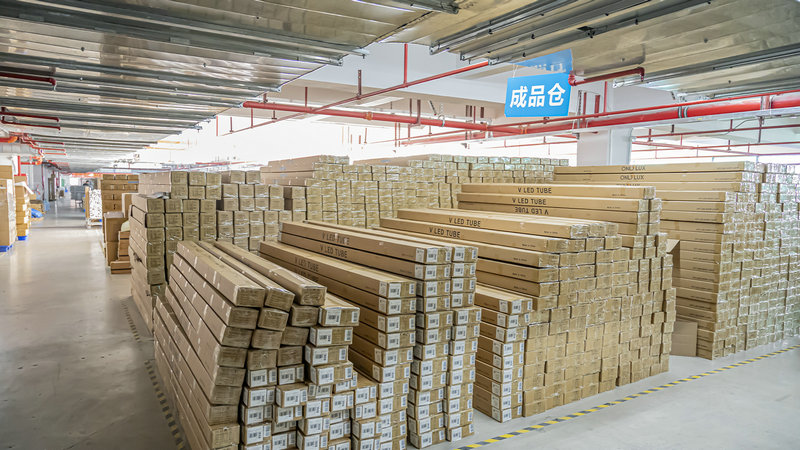
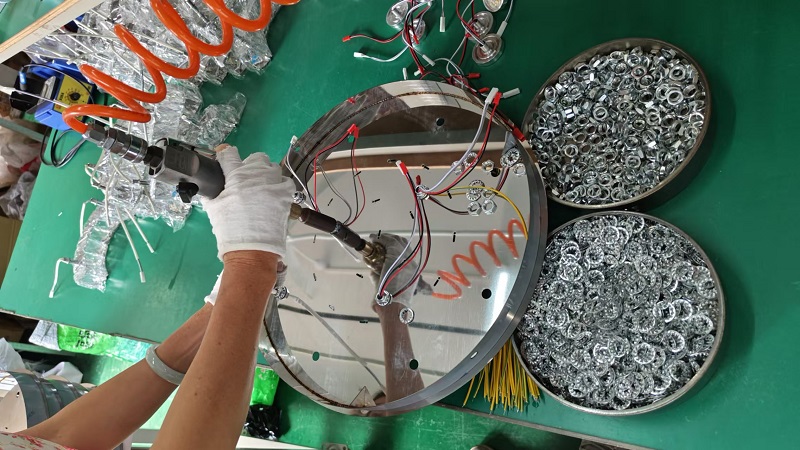
A peek into our production floor: Professional raw material sorting, precision machining, and strict quality control pipelines.
Shandong SciBrite Lighting Co., Ltd. is a dedicated manufacturer focusing on the research, development, and high-volume production of premium indoor LED lighting systems. With a strong commitment to quality and technical innovation, we support private label brands, electrical wholesalers, and smart home platform integrators worldwide.

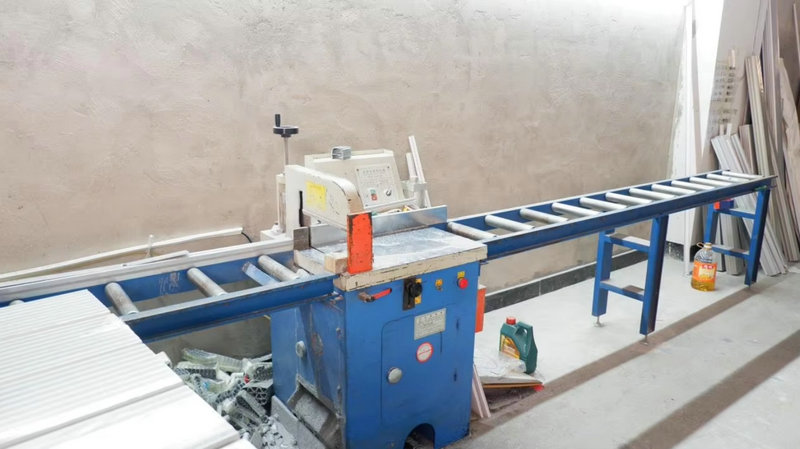
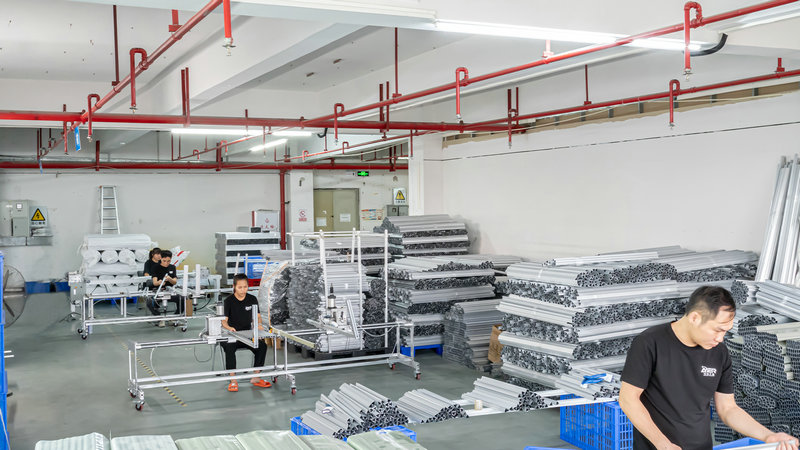
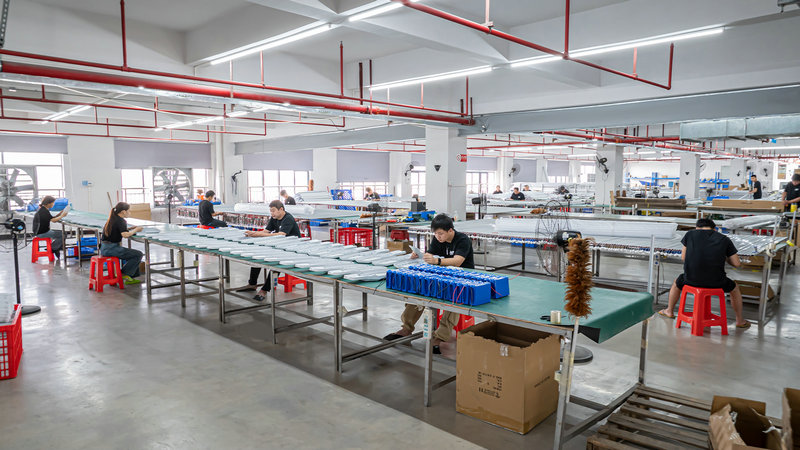
Optimizing spectral emissions, chassis profiles, and control schemes across four distinct installation contexts.
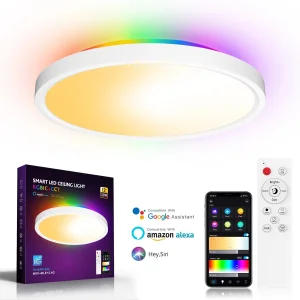
Modern living environments require ultra-thin layouts that blend into ceilings. Our 5CCT stepless dimming round surface lights feature integrated dip switches that let installers set base color outputs during setup, while users manage fine adjustments via smart home platforms.
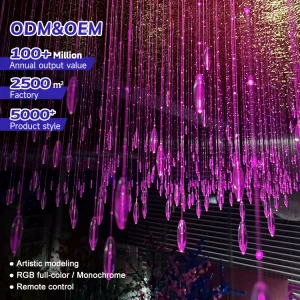
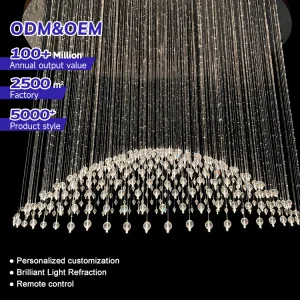
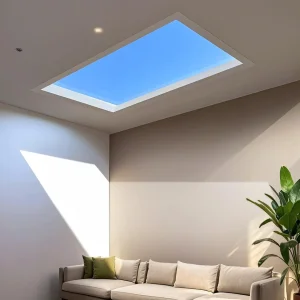
Hotels rely on lighting to create an inviting atmosphere. Custom luxury RGB chandeliers, optical fiber ceilings, and smart sky panel lights mimic natural daylight cycles, supporting circadian health for guests in windowless rooms, conference halls, and lobby areas.
High moisture zones require IP54-rated enclosures to protect internal electronics. Our waterproof music ceiling lights feature integrated Bluetooth speakers, combining smart controls with entertainment features for residential and hospitality projects.
Corporate environments focus on glare reduction and energy efficiency. Our anti-glare architectural downlights and Matter-over-Thread panel lights integrate with automated building systems (BMS), reducing energy costs and simplifying facility management.
Addressing essential questions on smart lighting procurement, protocol integrations, and custom OEM processes.
Our smart ceiling light lineup supports all major smart lighting protocols: Matter-over-Thread, Zigbee 3.0 (Tuya compatibility), standard Wi-Fi (2.4GHz and 5GHz dual-band), and Bluetooth LE Mesh. For commercial projects with central automation, we also offer custom drivers compatible with DALI-2 wired control systems.
Our smart driver assembly lines are equipped with automated optical inspection (AOI) machines and inline testers. After assembly, every driver undergoes a strict 100% 4-hour burn-in aging test under full thermal load, checking for voltage fluctuation limits, color temperature drift, and wireless pairing stability before packaging.
Our standard MOQ for custom outer box printing, private labels, and custom user manuals is 1,000 units per model. For deeper custom requests—such as structural revisions, specialized PMMA optics, or bespoke driver layouts—the MOQ varies based on tooling requirements. We invite you to contact our sales team to discuss project-specific plans.
Yes. Depending on the model, our smart ceiling lights carry CE, SAA, FCC, and RoHS certifications. We also offer select products designed to meet Energy Star and Title 24 JA8 requirements for North American markets. Please contact our product team to confirm certification files for your target region.
For standard wholesale orders, lead times are generally 25 to 30 days post-deposit validation. Customized OEM orders with special tooling may require 40 to 45 days. Our location in Linyi connects us to major coastal shipping hubs, including Qingdao Port and Shanghai Port, ensuring efficient container loading and reliable dispatch schedules.
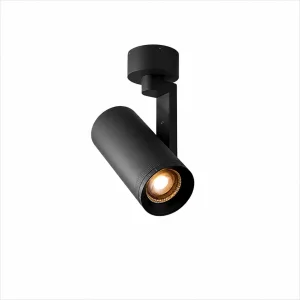
Explore our specialized range, including bathroom-rated speakers, smart spotlights, and full-spectrum panel lighting.