In residential bathrooms, lighting choices are crucial. Many people wonder, "what happens if you put a non waterproof light in a bathroom?" Expert electrician Sarah Thompson warns us, “Using non waterproof lights increases the risk of electrical hazards.” Bathrooms are unique spaces where moisture levels are high. This creates a dangerous environment for standard light fixtures.
Non waterproof lights can short circuit when exposed to water. This can lead to electrical shocks or even fires. Additionally, condensation can damage the fixture over time. A poorly chosen fixture may lead to frequent replacements. It creates a cycle of wasted money and effort.
Moreover, improper lighting can affect your bathroom's functionality. Insufficient or inconsistent lighting can make grooming tasks tricky. When selecting bathroom lighting, prioritize safety and efficiency. The right choice ensures comfort and peace of mind. Remember, choosing waterproof lights is not just a recommendation; it’s a necessity.
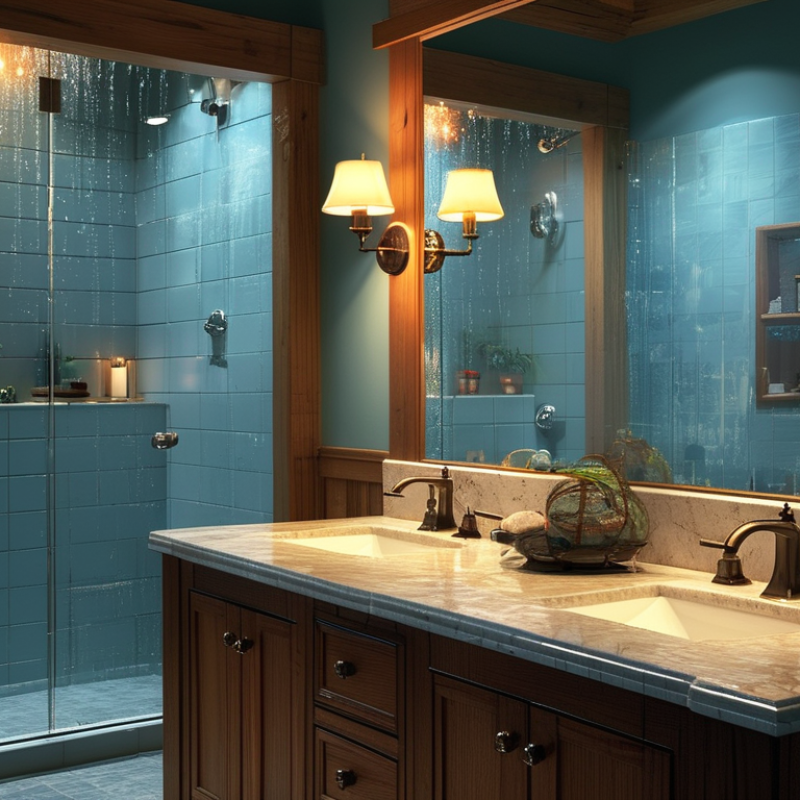
Bathrooms are unique spaces where moisture and humidity are prevalent. Choosing the right lighting is essential for safety and comfort. Waterproof lighting fixtures are specifically designed to withstand these conditions. They prevent moisture damage, which could lead to hazards like electrical shorts. Using non-waterproof lights may seem easy, but it poses risks.
Imagine stepping into a bath with inadequate lighting. Non-waterproof fixtures may dim or fail, creating a potentially dangerous environment. Water exposure can also encourage mold growth. This not only affects your health but can also damage your bathroom’s aesthetics. Selecting waterproof options is a small step but crucial when designing your bathroom space.
Expert recommendations stress the importance of installing waterproof lighting. Not only does it protect your electrical systems, but it also boosts the lifespan of your fixtures. Ignoring this advice can lead to expensive repairs and safety issues. Keeping your bathroom well-lit and safe should be a priority to ensure a positive experience every time.
Using non-waterproof lights in bathrooms poses significant risks. Bathrooms are inherently wet environments, with moisture present in the air. Water and electricity are a dangerous mix, raising the possibility of electrical shocks. According to a report from the National Electric Code (NEC), nearly 70% of electrical accidents occur in damp locations. Improper lighting can increase the risks of such incidents.
In addition to electrical hazards, using non-waterproof lighting can lead to damage over time. Humidity can corrode fixtures, diminishing their lifespan drastically. A study by the Lighting Research Center found that lights exposed to high humidity can lose up to 50% of their brightness within five years. Furthermore, the accumulation of moisture can create conditions for mold growth, which can affect indoor air quality and lead to health issues.
These potential consequences highlight the importance of selecting appropriate lighting for bathrooms. It’s essential to prioritize safety and functionality while also considering the aesthetic appeal. Choosing fixtures rated for wet or damp locations is a wise decision. This not only mitigates risks but also ensures that your lighting remains durable and efficient over time. Investing in suitable lighting provides peace of mind in a space often associated with relaxation.
| Risk Factor | Description | Potential Consequences |
|---|---|---|
| Electrical Shock | Using non-waterproof lights in bathrooms increases the risk of electrical shock due to moisture exposure. | Severe injury or fatality from electrical shock. |
| Short-Circuiting | Water can cause a short circuit in the light fixture, leading to malfunction. | Potential fire hazard or permanent damage to lighting system. |
| Mold Growth | Condensation in non-waterproof fixtures can promote mold growth. | Health risks such as respiratory issues and allergies. |
| Reduced Lifespan | Non-waterproof lights are not designed to withstand moisture, leading to premature failures. | Increased replacement costs and frequency. |
| Legal Liability | In case of accidents, using inappropriate fixtures may lead to liability issues. | Possible legal actions or insurance claims. |
Using non-waterproof lights in bathrooms can lead to serious electrical issues. The bathroom is a high-moisture area. Water and electricity do not mix well. When water seeps into electrical components, it can cause shorts. This exposure can lead to flickering lights or even complete failures.
Electrical components are sensitive to moisture. Corrosion may develop on wires and connections. This can compromise the safety of the fixture. In some cases, it may become a fire hazard. Ignoring these risks can lead to costly repairs. It could also endanger the safety of occupants.
Many people underestimate the significance of proper lighting in wet areas. It’s essential to use lighting fixtures designed for bathrooms. They typically have better seals and protective coatings. Taking this precaution can enhance safety. It can also prolong the lifespan of your fixtures. Investing in the right lighting is a wise decision that pays off.
Choosing appropriate lighting for bathroom environments is essential for both safety and aesthetic appeal. Bathrooms often experience high humidity and moisture. Using non-waterproof lights can lead to electrical hazards. Fixtures that are not rated for wet areas can malfunction or pose fire risks.
When selecting lighting, consider the IP (Ingress Protection) rating. Look for fixtures marked with IP65 or higher for safe bathroom use. Soft, diffused light creates a comfortable atmosphere. Recessed lighting can enhance the space without dominating it, while wall sconces can provide stunning accents.
To ensure successful lighting design, think about placement. Lights should be positioned to minimize shadows, especially near mirrors. Remember to include dimmers for flexibility. This allows you to switch from bright, functional lighting to softer, relaxing options. These design choices can elevate the overall experience in your bathroom, combining safety with visual appeal.
When choosing lighting for bathrooms, safety is paramount. Non-waterproof lights may seem like a cost-effective option, but their use can lead to serious hazards. A survey by the National Fire Protection Association revealed that electrical failures account for 17% of home fires, highlighting the critical nature of using appropriate fixtures. Improper lighting can cause short circuits, leading to electrical shock or fire risks.
To ensure safe bathroom lighting, consider the IP (Ingress Protection) rating. Lights in wet areas should ideally be rated at least IP65, meaning they are both dust-tight and protected against water jets. Regular maintenance is essential. Inspect fixtures for corrosion and moisture damage at least once a year. Replace any non-waterproof lights promptly.
Investing in waterproof lighting is not just about compliance; it's about creating a safer home environment. Homeowners often overlook these details, assuming any light will work. However, neglecting proper installation can lead to costly repairs or worse. Regular evaluations of your bathroom lighting setup can prevent accidents. Be vigilant about your choices and commit to ongoing safety assessments.
This chart illustrates the potential hazards associated with using non-waterproof lights in bathrooms. The data reflects the average number of incidents reported annually related to electrical safety and maintenance issues in bathroom lighting.
: Non-waterproof lights can cause serious electrical issues in high-moisture areas. They may lead to shorts and fixtures failing.
Water exposure can cause corrosion on wires. This compromises safety and may create fire hazards in lighting fixtures.
Ignoring safety can lead to costly repairs and pose risks to occupants, including electrical shocks or fire.
Ensure your lights have a high IP rating. Lights rated IP65 are ideal as they protect against water and dust.
Inspect fixtures for damage at least once a year. Look for signs of corrosion and moisture.
Yes, they enhance safety and can prolong the lifespan of your fixtures. It’s a smart decision for home safety.
Neglecting installation can lead to electrical failures, resulting in accidents or costly repairs. Don’t assume any light will work.
Surveys show that 17% of home fires arise from electrical failures. Using appropriate fixtures is vital for safety.
No, only lights designed for wet areas should be used. Non-waterproof lights are not safe for bathrooms.
Yes, regular maintenance can prevent accidents. It's essential to ensure all fixtures are safe and functioning properly.
Using non-waterproof lighting in bathrooms poses significant safety risks due to the inherent moisture in these environments. If you put a non waterproof light in a bathroom, it can lead to electrical failures, short circuits, or even hazardous situations such as electrical shocks. Understanding the importance of waterproof lighting is crucial, as the exposure of electrical components to moisture can compromise their functionality and safety.
To ensure a safe bathroom environment, selecting appropriate lighting designed for wet areas is essential. Additionally, regular maintenance checks can help verify that fixtures remain in good condition, minimizing the risks associated with potential water exposure. By prioritizing waterproof lighting options and maintaining them appropriately, you can create a safer bathroom space.
