Recessed lights play a significant role in modern lighting design. Many people wonder, "why are recessed lights called can lights?" This question invites exploration into the origins and functionality of these fixtures. Recessed lights are often installed within ceilings, creating a sleek, unobtrusive effect. They are sometimes called "can lights" due to their cylindrical shape, resembling a can.
These lights are known for providing focused illumination. The design allows for various applications, from highlighting artworks to general room lighting. However, homeowners must consider the potential drawbacks. Improper installation can lead to uneven lighting or overheating issues. It’s crucial to choose quality products and hire experienced professionals.
Understanding why these lights are named "can lights" gives insight into their practicality and aesthetic appeal. Each light serves a specific purpose, contributing to the overall ambiance of a space. As lighting trends evolve, so do the preferences for such fixtures. Reflecting on these elements helps illuminate the choices we make in home design.
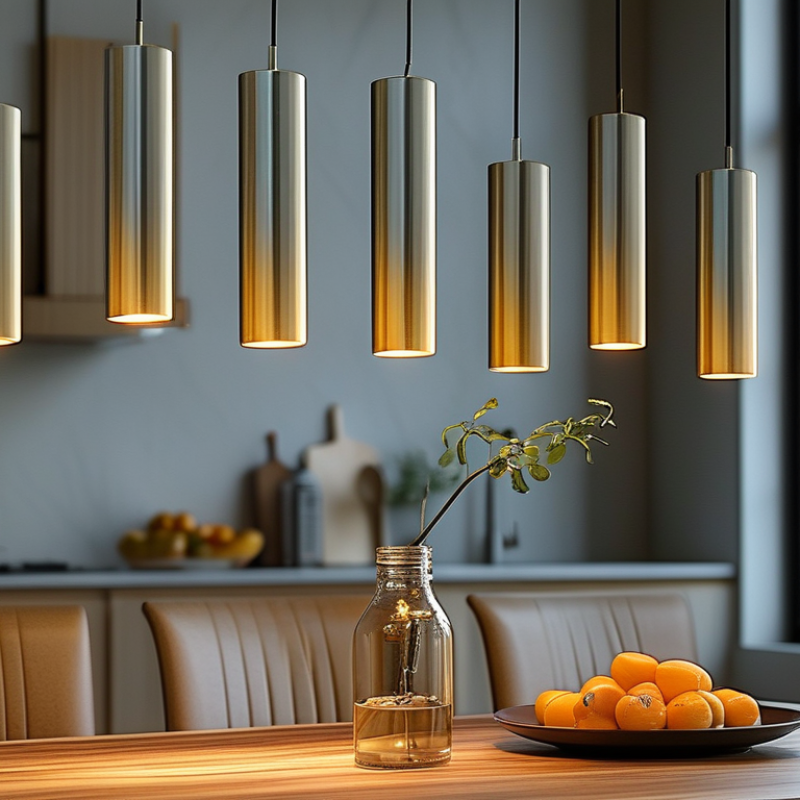
Definition of Recessed Lights and Can Lights
Recessed lights, often called can lights, are popular in residential and commercial spaces. They are installed in the ceiling, providing a clean and modern look. This type of lighting is known for its ability to blend into the architecture, creating an unobtrusive design. The term "can" refers to the cylindrical housing that holds the bulb. According to the American Lighting Association, these fixtures contribute to better room aesthetics and enhance functionality.
Installing recessed lights can transform a space. They provide ambient, task, or accent lighting, depending on placement and bulb choice. A study by the National Electrical Manufacturers Association highlights that recessed lighting can reduce energy consumption by up to 30% when using LED bulbs. However, poor installation can lead to light leaks or inconsistent brightness. Homeowners often overlook these details, which can affect their lighting experience.
Consider the height of your ceiling before installation. Low ceilings may feel cramped with recessed lights, while higher ceilings can achieve a dramatic effect. Use dimmers to control the light intensity. Not every room requires a single type of lighting. Mixing styles can create layers of light, adding depth to any space. Pay attention to the spacing between lights; too wide can leave dark spots, while too close can feel overwhelming.
Origins of the Term "Can Lights" in Lighting Design
The term "can lights" originates from the physical design of recessed lighting fixtures. These lights are cylindrical and often installed in ceilings, resembling a can. These functional shapes allow for a sleek and unobtrusive installation. According to a report by the American Lighting Association, recessed lights account for over 20% of residential lighting. Their popularity has soared since the 1990s, largely due to modern aesthetic trends.
The use of can lights has proven effective in creating focused illumination. Many designers prefer this style for its ability to blend into the ceiling. However, some criticism exists regarding their installation complexity. Incorrect placement can lead to inefficient lighting, and fixtures may also be difficult to access for maintenance. A study from the Lighting Research Center suggests that poorly positioned recessed lights can create harsh shadows, impacting overall room ambiance. This emphasizes the need for thoughtful planning when incorporating can lights into a design.
Why Are Recessed Lights Called Can Lights Explained? - Origins of the Term "Can Lights" in Lighting Design
| Dimension |
Details |
| Type of Light |
Recessed Lighting |
| Common Name |
Can Lights |
| Shape |
Cylindrical |
| Installation Type |
Ceiling Mounted |
| Usage Area |
Residential and Commercial |
| Light Source Types |
LED, Halogen, CFL |
| Key Benefits |
Space-Saving, Even Lighting, Aesthetic Appeal |
| Popular Sizes |
4 inch, 6 inch, 8 inch |
Types of Recessed Lighting Fixtures and Their Uses
Recessed lighting fixtures, often called can lights or pot lights, come in various types, each serving distinct purposes. Models are designed to fit into ceilings and walls seamlessly. For instance, adjustable recessed lights offer versatility in direction, allowing homeowners to highlight artwork or architectural features effectively. According to the American Lighting Association, more than 65% of homeowners prefer these fixtures for their aesthetic appeal.
Another popular type is the LED recessed lighting, which provides energy efficiency. Research indicates that LED options can save up to 75% more energy compared to traditional incandescent lights. They produce minimal heat and have a longer lifespan, often exceeding 25,000 hours. This makes them a practical choice for sustainable living spaces.
There are also specialized fixtures, such as those for wet locations. These are designed to withstand moisture, making them suitable for bathrooms and outdoor areas. Using the wrong type of fixture in these environments can lead to short circuits or safety hazards. It's essential to choose the right type of recessed light to achieve the desired effect and ensure safety. Overall, understanding the different types of recessed lighting is crucial for making informed decisions in home design.
Types of Recessed Lighting Fixtures and Their Uses
Advantages of Using Recessed Lights in Home Design
Recessed lights, often called can lights, offer modern aesthetics in home design. Their sleek, unobtrusive style saves space and adds a contemporary touch to any room. These fixtures fit seamlessly into ceilings, creating an illusion of higher space. Homeowners appreciate how they blend in with decor.
One significant advantage of recessed lighting is its versatility. It can be used as task lighting in kitchens or ambient lighting in living rooms. This flexibility allows homeowners to create different moods and functionalities in various areas. Moreover, recessed lights can highlight artwork, illuminating pieces in a gallery-like manner. However, installation requires careful planning. Improper placement can lead to uneven lighting effects or dark spots.
Energy efficiency is another vital aspect of these lights. LED options consume less power and last longer than traditional bulbs. This benefits both the environment and the wallet. Still, it’s essential to consider the initial installation costs. Though recessed lights provide many advantages, they need expert installation to avoid common pitfalls. Balancing aesthetics and functionality is crucial for achieving the desired effect.
Installation Considerations for Recessed Lighting Solutions
When considering recessed lighting installation, several factors must be taken into account. The layout of a space plays a critical role. According to the American Lighting Association, improper placement may lead to uneven illumination and create unwanted shadows. A good rule of thumb is to space fixtures about four to six feet apart, ensuring balanced coverage.
Another important aspect is the type of bulbs used. LED options are gaining popularity due to their energy efficiency and longevity. The U.S. Department of Energy reported that LED lighting can last up to 25 times longer than traditional incandescent bulbs. This not only reduces replacement costs but also minimizes waste. However, selecting the right lumen output is essential to achieve the desired ambiance.
Consideration of the ceiling height is also vital. Recessed lights should be installed with at least seven feet of clearance to avoid glare and provide a comfortable viewing experience. Installing lights too close to the surface can lead to excessive heat and reduce lifespan. Checking local building codes is advisable to ensure adherence to all regulations during installation.
FAQS
: Recessed lights, also known as can lights, are installed in ceilings for a modern look. They blend well into architecture.
They provide ambient, task, or accent lighting. Proper placement and bulb choice can transform how the room feels.
Consider your ceiling height. Low ceilings may feel cramped, while high ceilings allow for more dramatic lighting effects.
Using LED bulbs can reduce energy consumption by up to 30%. They are more efficient than traditional bulbs.
Poor installation can result in light leaks. Inconsistent brightness can greatly affect your overall lighting experience.
There are adjustable, LED, and specialized fixtures for wet locations. Each serves specific purposes in lighting designs.
They typically last over 25,000 hours. This longevity helps reduce the frequency of replacements and waste.
Too wide spacing can leave dark spots. Too close can overwhelm the area, altering the intended lighting effect.
Yes, mixing styles adds depth to your space. Different types of lighting create layers, enhancing the room's overall aesthetic.
Yes, wet-rated fixtures are designed to resist moisture. Using the correct type is crucial for safety in bathrooms and outdoors.
Conclusion
Recessed lights, commonly referred to as "can lights," are a popular choice in modern lighting design due to their sleek appearance and versatility. The term "can lights" originates from the cylindrical housings that contain the bulbs, resembling a can shape. These fixtures come in various types, each suited for specific lighting needs, such as accent or task lighting.
One of the primary advantages of using recessed lights in home design is their ability to create a clean, unobtrusive look, making the space feel larger and more open. However, installation considerations are crucial, as it involves proper placement and wiring to ensure effective illumination and alignment with the overall aesthetic of the room. Understanding why are recessed lights called can lights helps in appreciating their functional design and widespread appeal in contemporary interiors.

