China Top 10 Tips for Changing Bulbs in Recessed Lights?

Time:2026-08-11 Author:Aria
0%

Changing a bulb in a recessed ceiling light fixture may seem straightforward, yet many face challenges. This task requires careful attention to detail and safety. Knowing how to change a bulb in a recessed ceiling light fixture involves a few essential steps to ensure a seamless experience.

Each recessed light can vary in design, which adds to the complexity. You might find yourself struggling with clips or springs. It’s vital to choose the right replacement bulb for your fixture. Understanding wattage and compatibility will save you time and frustration. While the process is not overly complicated, many people overlook crucial safety measures.

As you embark on this task, it's natural to feel uncertain. Each light fixture has its quirks. If you encounter trouble, take a moment to reassess the situation. Being meticulous can lead to a more successful outcome. Embrace the learning curve, and remember that practice improves your skills. Balancing efficiency and caution will yield the best results.
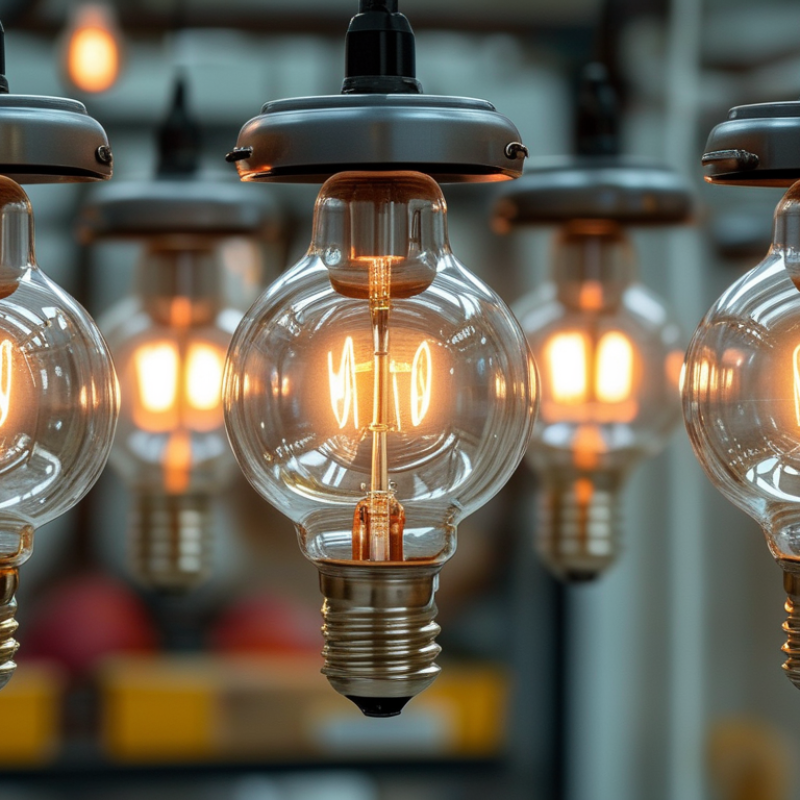
China Top 10 Tips for Changing Bulbs in Recessed Lights?

Understanding Recessed Lighting: Types and Functions

Recessed lighting has become a popular choice in modern homes, blending seamlessly with ceilings. The types of recessed lights vary greatly, from LED to incandescent. Each type serves a unique purpose, depending on the desired ambiance and utility. LED lights are energy-efficient and have a long lifespan, while incandescent options offer warm, familiar light.

Understanding the function of these lights is crucial before making changes. Some fixtures are designed for general lighting, while others focus on task or accent lighting. This distinction can drastically affect how a space feels. Many people overlook how the angle and placement influence light distribution.

Changing the bulbs may seem simple but pays attention to the housing type. Not all recessed fixtures accommodate the same bulb sizes. Improper choices can lead to flickering or even damage. Taking the time to examine the wattage and compatibility will save you frustration. It's okay to make mistakes. Only through trial and error can one learn the intricacies of recessed lighting.

Essential Safety Precautions When Changing Bulbs

Changing bulbs in recessed lights is a common task, but safety is paramount. Always turn off the power at the circuit breaker. This prevents electrical shocks while you work. Let the bulb cool down before touching it. Bulbs can become very hot, potentially causing burns. Use a sturdy step ladder to reach high fixtures. Ensure it’s stable and placed on a flat surface.

Wear safety goggles while changing bulbs. This protects your eyes from dust and debris. If you use a bulb with glass, handle it carefully. Glass can break easily and cause injury. If you drop a bulb, don't rush to pick it up. Allow it to cool and then carefully clean the area to avoid cuts.

Consider wearing gloves during the process. This will reduce the risk of skin oils ruining the new bulb. If the bulb doesn’t seem to fit, avoid forcing it. This could damage the fixture and lead to further issues. Reflect on using LED bulbs for efficiency. They last longer and consume less energy. Taking these precautions will set the stage for a safer experience.

Step-by-Step Guide to Removing Old Bulbs from Recessed Fixtures

Changing bulbs in recessed lights can be a straightforward task if you follow a step-by-step approach. Start by ensuring the light fixture is off. Once you're sure it’s safe, use a ladder or sturdy stool to reach the bulbs. Grip the old bulb gently and twist it counterclockwise to remove. If it feels stuck, don’t force it; check for any clips or additional mechanisms. If the bulb is broken, wear gloves for safety.

When replacing the bulb, choose a compatible one for your fixture. Align the new bulb with the socket and twist it clockwise until it feels secure. This step is crucial. A loose bulb can flicker or not light up at all. Always check your work. Turn the power back on and test the light. If it doesn’t illuminate, recheck the connections.

Here are some practical tips. Always have a clean, dry cloth nearby. This helps to prevent fingerprints on the new bulb. Avoid touching the bulb with bare hands, as oils from your skin can shorten its life. If you face difficulties during this process, don't hesitate to ask a friend for help. Sometimes, a second pair of hands makes a difference.

China Top 10 Tips for Changing Bulbs in Recessed Lights

Selecting the Right Replacement Bulbs for Your Needs

When it comes to selecting the right replacement bulbs for recessed lights, understanding your specific needs is crucial. According to a report by the U.S. Department of Energy, LED bulbs use at least 75% less energy than incandescent bulbs. They have a much longer lifespan, often lasting up to 25,000 hours. This makes them an excellent choice for energy efficiency.

Consider the color temperature as well. Ratings range from warm yellow (2700K) to cool blue (5000K). Warmer temperatures create a cozy atmosphere, while cooler temperatures enhance productivity. You need to think about the room's purpose when choosing. For example, use warmer bulbs in living spaces and cooler ones in work areas.

Tip: Pay attention to the bulb's wattage equivalency. Many LED bulbs provide the same light output as traditional bulbs while consuming fewer watts. This means you can enjoy bright lighting without increasing your energy bills.

Another tip is to check the bulb's lumen output. This figure indicates brightness and can help you achieve the correct illumination for your space. High lumen output is essential for task-oriented areas, while lower lumens create a relaxing ambiance.

Navigating your options can be overwhelming. If you're unsure about compatibility with your existing fixtures or dimmers, seeking advice from a lighting professional can be beneficial. They can provide tailored recommendations based on your requirements.

Proper Installation Techniques for New Recessed Light Bulbs

When installing recessed light bulbs, proper techniques significantly impact both performance and safety. Research indicates that improper installation can decrease bulb lifespan by up to 50%. It's crucial to ensure that the bulb is properly seated in its socket. A loose connection can lead to flickering lights or even short circuits.

Another vital aspect is selecting the right type of bulb. For example, LED bulbs are more energy-efficient and have a longer lifespan compared to incandescent options. According to industry reports, LEDs consume 75% less energy, making them a practical choice. However, the installation method should account for different bulb designs. Some require special clips or adapters for a secure fit.

Be aware of the wattage used in your fixtures. Using a bulb with too high of a wattage can lead to overheating, posing a fire risk. Always check the fixture's maximum wattage rating. Remember, it's essential to turn off the power before starting installation. Neglecting this step can result in severe electrical shock. Mistakes happen, but diligent preparation can help ensure a safe, effective lighting solution.

FAQS

: How can I choose the right replacement bulbs for recessed lights?

: Consider your specific needs, room purpose, and desired color temperature.

What are the benefits of LED bulbs?

LED bulbs use 75% less energy and last up to 25,000 hours, making them energy-efficient.

What color temperature should I select for different rooms?

Use warmer bulbs (2700K) for cozy spaces and cooler bulbs (5000K) for work areas.

Why is wattage equivalency important?

It helps achieve the same light output with fewer watts, keeping energy bills low.

How do I determine the right lumen output for my space?

High lumen output is great for tasks, while lower lumens create a relaxing atmosphere.

What should I do if I'm unsure about bulb compatibility?

Seek advice from a lighting professional for tailored recommendations.

What impact does improper installation have on bulb lifespan?

Improper installation can reduce bulb lifespan by up to 50%.

Why is seating the bulb correctly important?

A loose connection can cause flickering lights or short circuits.

What should I check regarding wattage before installation?

Ensure the bulb's wattage does not exceed the fixture's maximum wattage rating.

How can I ensure a safe installation of recessed light bulbs?

Always turn off the power first and prepare diligently to avoid mistakes.

Conclusion

Changing bulbs in recessed ceiling light fixtures can be a straightforward task when you understand the process and precautions involved. First, it's essential to familiarize yourself with the different types of recessed lighting and their functions. Safety is paramount, so ensure you turn off the power before starting.

To learn how to change a bulb in a recessed ceiling light fixture, follow a step-by-step approach: begin by carefully removing the old bulb while paying attention to proper techniques to avoid damaging the fixture. Next, choose the right replacement bulb that meets your lighting needs and fits the fixture specifications. Finally, install the new bulb securely, ensuring it’s functioning correctly before restoring power. With these tips, you can confidently update your recessed lighting fixtures.

Aria

Aria

Aria is a dedicated marketing professional with a deep passion for innovative strategies and a keen understanding of our company's product offerings. With a wealth of experience in the industry, Aria excels at crafting engaging content that highlights the unique features and benefits of our......