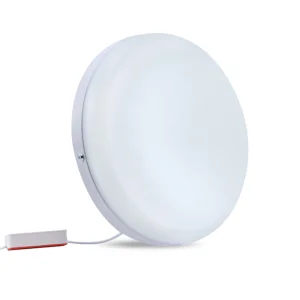
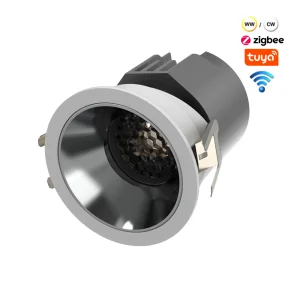
Engineered for architectural efficiency, low glare, and long-term operating durability across industrial and commercial retrofits.
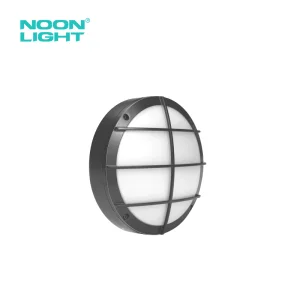
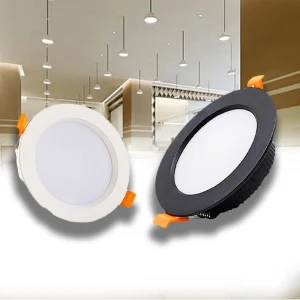
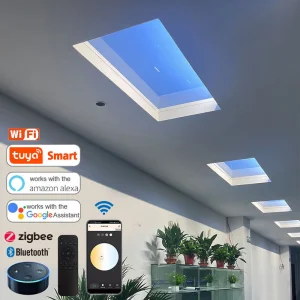
The German lighting market represents one of the most demanding engineering environments globally, driven by stringent energy efficiency directives (ErP), VDE standardizations, and a strong preference for high-longevity solutions. As Germany executes its ambitious energy transition (Energiewende) plan, minimizing commercial and residential carbon footprints has shifted from a policy goal to a structural procurement mandate. Dimmable LED ceiling lights play a key role in this framework. Their capability to integrate seamlessly with automated energy management platforms, daylight harvesting arrays, and intelligent building systems makes them indispensable for green building certifications like DGNB and LEED.
For procurement officers, regional distributors, and lighting contractors operating within the DACH region (Germany, Austria, Switzerland), source validation goes beyond mere pricing structures. The decision matrix is dominated by strict parameters: driver reliability, total harmonic distortion (THD), electromagnetic compatibility (EMC) compliance, flicker index ratings (PstLM & SVM), and thermal management. A system failure in a commercial environment leads to heavy operational disruption and expensive warranty servicing, which highlights why German buyers rely heavily on manufacturing partners with a mature, engineering-driven operational philosophy.
To successfully market dimmable LED luminaires in Germany, strict compliance with European directives is non-negotiable. Luminaires must meet the requirements of the Low Voltage Directive (LVD) 2014/35/EU, the Electromagnetic Compatibility Directive 2014/30/EU, and the latest Ecodesign Regulation (EU) 2019/2020 (ErP). Under these regulations, light sources and separate control gears must be clearly cataloged in the EPREL database with corresponding energy labels. Furthermore, the restriction of hazardous materials (RoHS Directive 2011/65/EU and its amendment 2015/863/EU) ensures lead-free, cadmium-free production, reflecting the region's commitment to ecological safety.
"German engineering standards (DIN standards) prioritize human safety and vision comfort. A dimmable ceiling light is only as good as its driver; low-frequency ripple currents must be suppressed to ensure flicker-free lighting, especially in working areas covered under DIN EN 12464-1."
A professional manufacturer specializing in the research, development, and high-volume export of certified LED indoor lighting solutions.
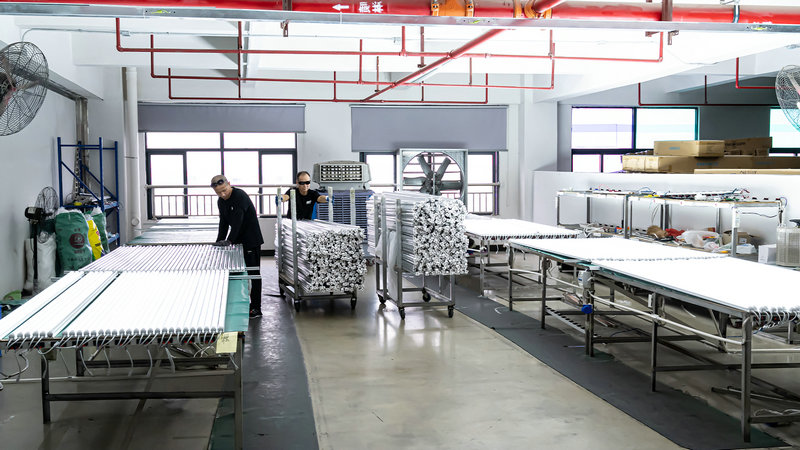
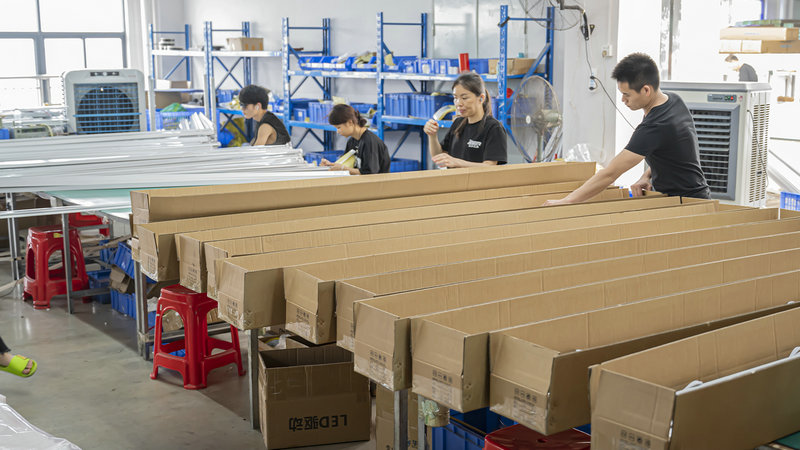
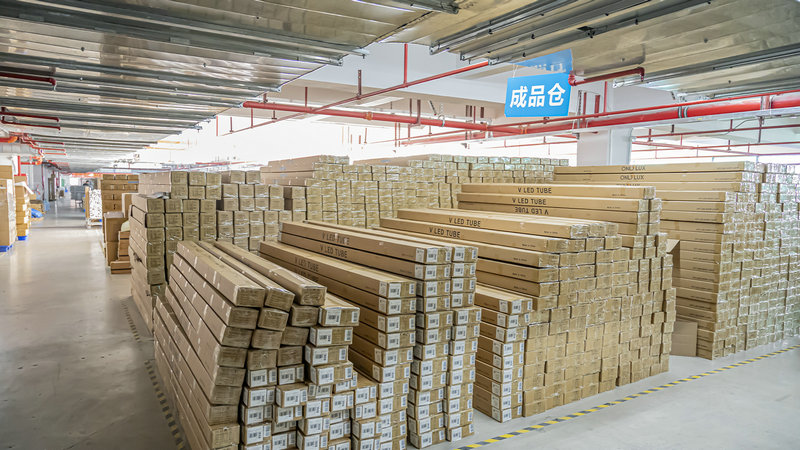
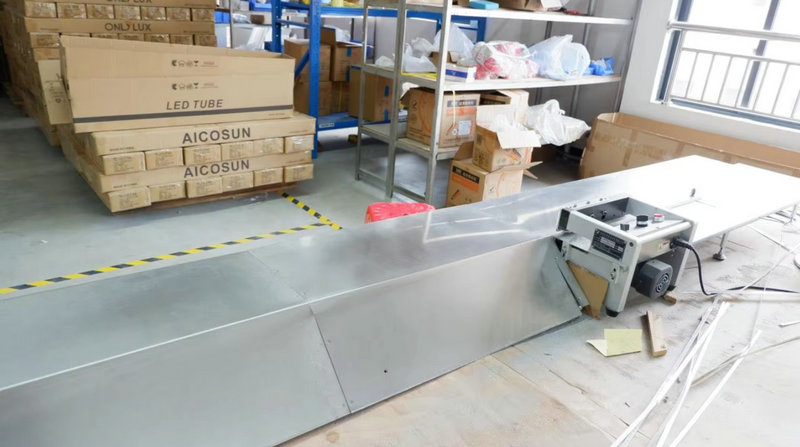
Shandong SciBrite Lighting Co., Ltd. operates a state-of-the-art facility in Linyi, Shandong Province, China. We serve as a trusted OEM/ODM manufacturing partner for global distributors, project contractors, and lighting brands. Our production operations follow a rigorous quality management system, handling every step from raw materials to finished packaging with absolute precision.

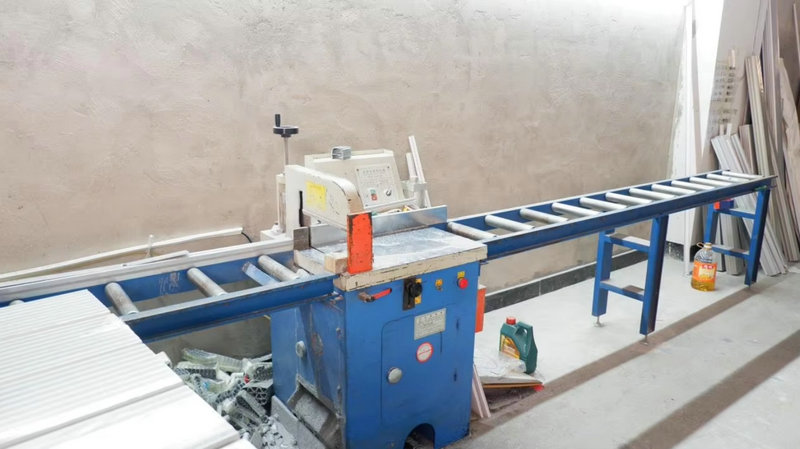
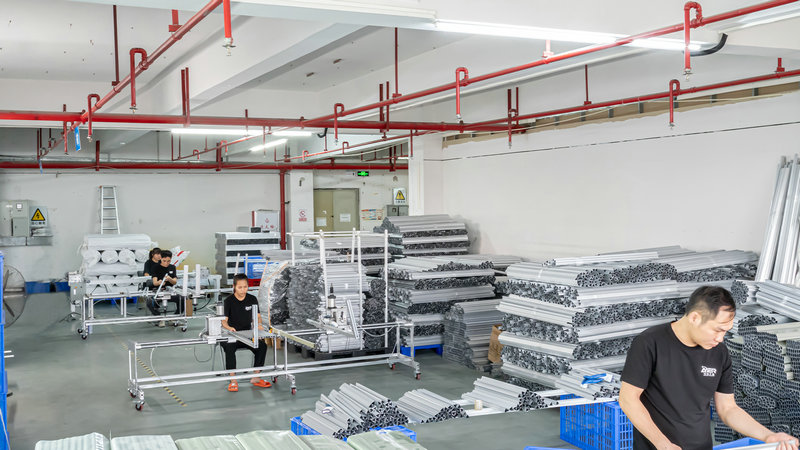
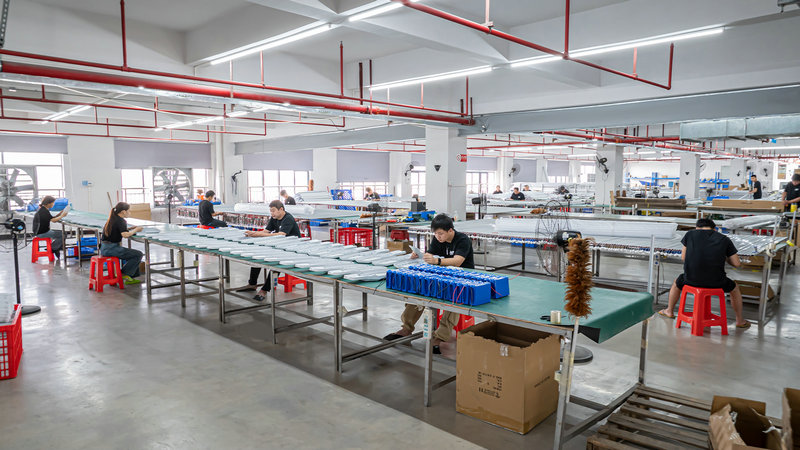
Our engineering division oversees automated assembly lines, high-precision metal stamping, and specialized PCB surface mounting (SMT). Every batch undergoes a multi-point inspection workflow to verify electrical integrity, thermal dissipation profiles, and dimming control stability. By managing our supply chain end-to-end, we ensure that every dimmable LED ceiling light meets the strict parameters required for European import and high-demand commercial use.
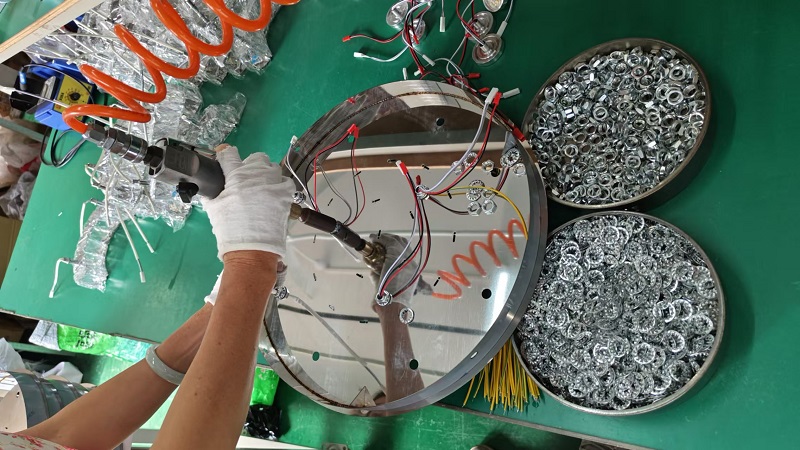
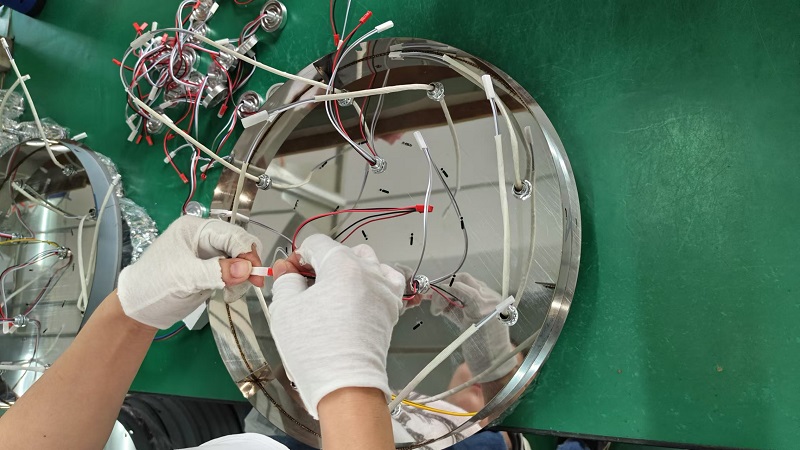
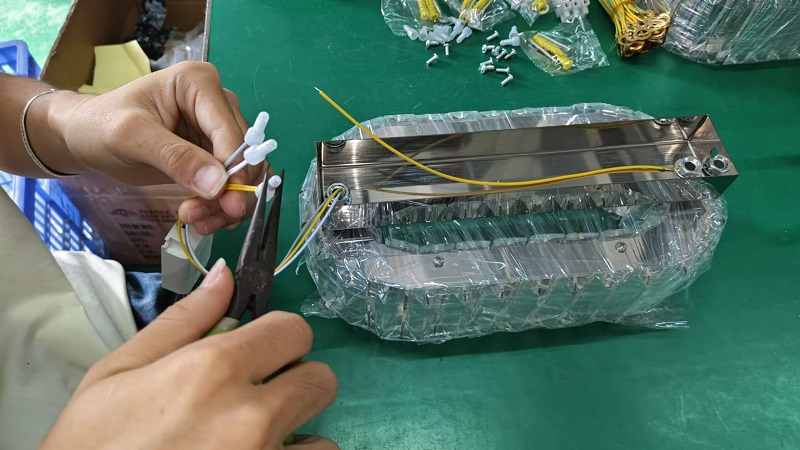
When sourcing dimmable LED ceiling lights for the German market, the structural quality of internal components determines the long-term success of the installation. Buyers must evaluate the drive electronics, LED packaging technology, and optical diffusers to avoid common issues like color shifts, lumen depreciation, and premature driver failure.
Modern building automation in Germany uses different dimming standards depending on the project type. Triac (Phase-cut) dimming remains highly popular in residential retrofits due to its compatibility with existing wiring. For commercial projects, DALI-2 (Digital Addressable Lighting Interface) is the standard for building automation. It offers precise linear and logarithmic dimming, telemetry feedback, and addressable control for individual luminaires. For modern architectural renovations where running control lines is difficult, Casambi (Bluetooth Low Energy mesh) has become a preferred wireless option.
| Dimming System | Typical Application | Control Quality | Installation Complexity | Telemetry Feedback |
|---|---|---|---|---|
| Triac / Phase-Cut | Residential Retrofits | Standard (10% - 100%) | Low (Existing wiring) | No |
| 1-10V / 0-10V | Commercial Office Space | Good (1% - 100%) | Medium (Requires control wire) | No |
| DALI-2 (IEC 62386) | Smart Buildings / Offices | Excellent (0.1% - 100%) | High (DALI bus system) | Yes (Full diagnostics) |
| Casambi (BLE Mesh) | Architectural & High-End Retail | Excellent (0.1% - 100%) | Minimal (Wireless control) | Yes (Via App/Gateway) |
Stroboscopic effects and invisible light flicker can cause eye strain, headaches, and decreased productivity, particularly in corporate and industrial work environments. Under the current Ecodesign guidelines (EU 2019/2020), strict limits are enforced for temporal light modulation: PstLM (Flicker parameter) must be ≤ 1.0 and SVM (Stroboscopic Visibility Measure) must be ≤ 0.4 at full load and dimmed states. Resolving this issue requires using constant-current drivers with high-frequency PWM (Pulse Width Modulation) or ripple-free hybrid dimming profiles. These systems ensure clean voltage curves and zero flicker throughout the entire dimming range.
A complete portfolio of surface-mounted, recessed, and specialized dimmable luminaires tailored for diverse commercial, industrial, and maritime applications.
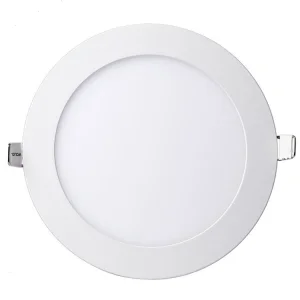
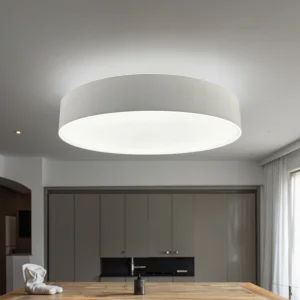
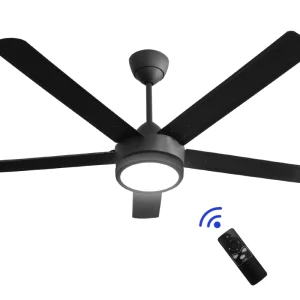
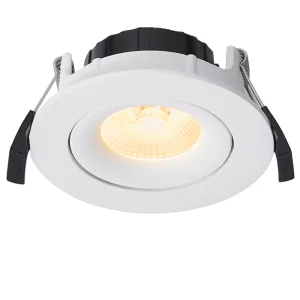
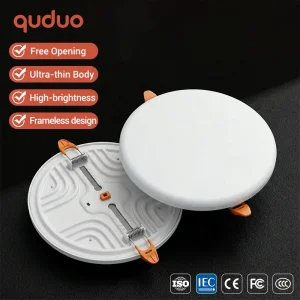
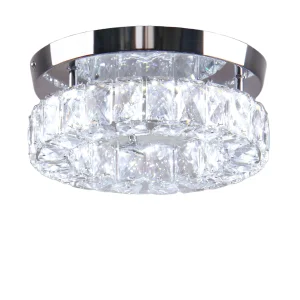
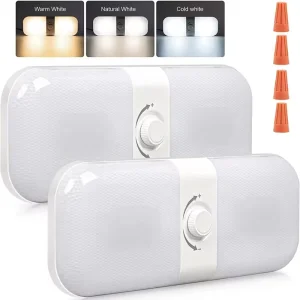
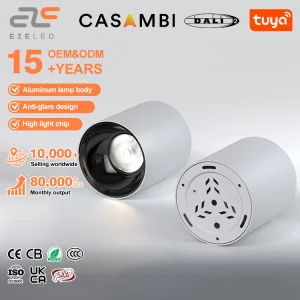
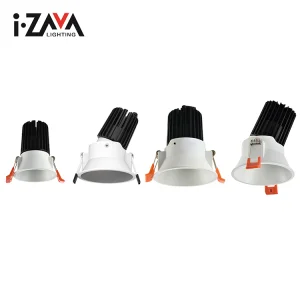
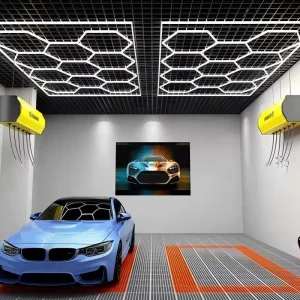
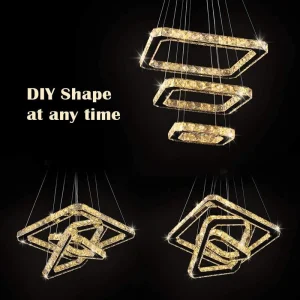
In Germany, lighting projects are increasingly shifting toward system-level integration. Standard ceiling fixtures are evolving into multi-functional modules. Modern architectural designs, particularly in key economic regions like Baden-Württemberg, Bavaria, and North Rhine-Westphalia, incorporate advanced technologies such as Human Centric Lighting (HCL), Tuya IoT, and Zigbee protocol automation. These technologies support modern workplace designs by adjusting illumination to match natural daylight cycles.
Human Centric Lighting simulates the natural progression of daylight by adjusting color temperature and light intensity throughout the day. In office and healthcare environments, this dynamic variation supports the natural circadian rhythms of occupants, helping to improve concentration and promote better sleep cycles. Operating this system requires reliable dimming interfaces and tunable white LED engines (dynamic adjustment from 2700K to 6500K) that change color temperatures smoothly without shifting light intensity or producing sudden color steps.
Sustainable design is a core requirement for EU procurement. Under the latest circular economy rules, luminaires should allow for easy maintenance and component replacement. The product construction must permit clean disassembly, allowing the independent replacement of control gear and light sources by qualified professionals. This approach minimizes e-waste, simplifies maintenance, and extends the overall service life of building installations. Shandong SciBrite Lighting implements these guidelines by engineering modular structures that simplify components maintenance while maintaining high IP dust and moisture protection ratings.
"For commercial projects, choosing a manufacturer that supports circular economy principles simplifies compliance with local environmental audits and contributes directly to reducing Scope 3 supply chain emissions."
Technical and regulatory answers for engineering leads and procurement officers sourcing from our factory.
Optimize your project outcomes with premium dimmable luminaires built to European standards. Get in touch with our engineering team for detailed technical data sheets, certifications, and wholesale pricing structures.
Send Inquiry Now