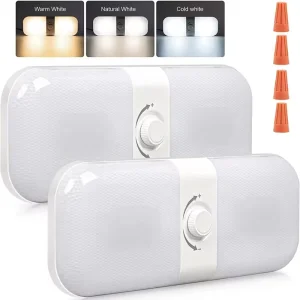
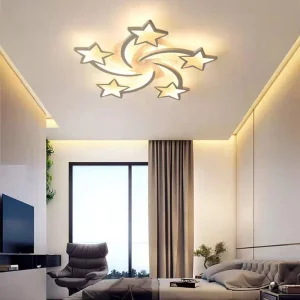
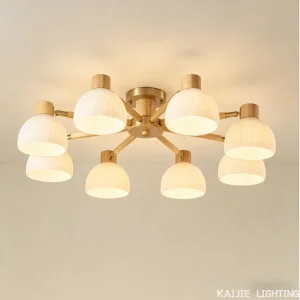
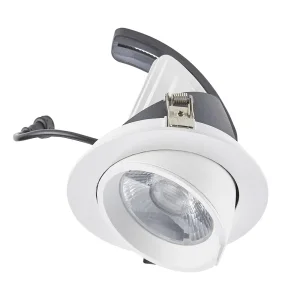
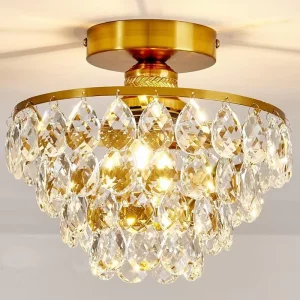
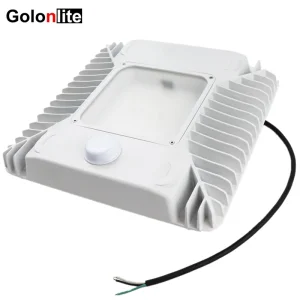
Explore our flagship selection of CE certified, high-efficiency lighting products featuring proprietary optical diffuser technology optimized for perfect luminescent distribution.
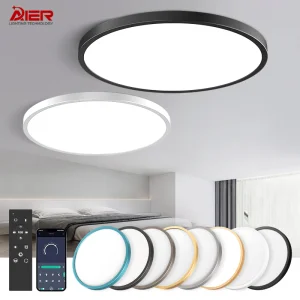
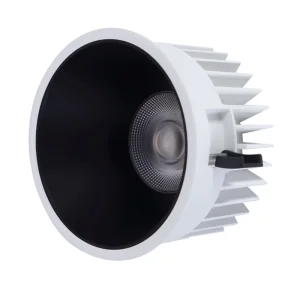
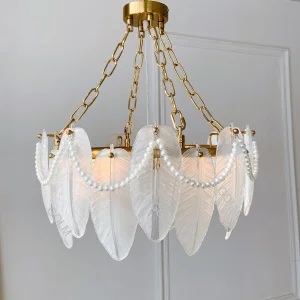
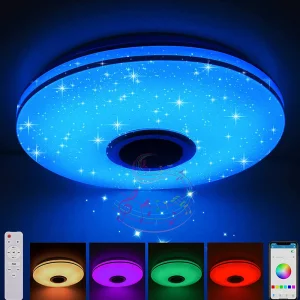
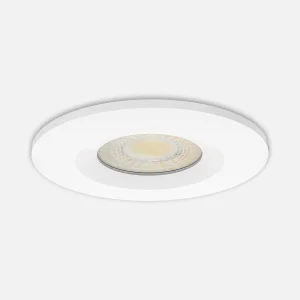
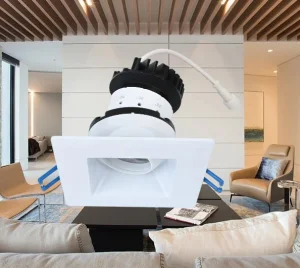
In solid-state lighting (SSL), raw LED point sources emit highly concentrated, glaring light. An LED diffuser panel is not merely a cover; it is a precision optical component designed to govern light transmission, scattering angles, and luminous uniformity.
By employing advanced light diffusion agents (organic micro-particles or mineral-based polymers) dispersed within a transparent substrate like PMMA (Polymethyl Methacrylate), Polycarbonate (PC), or PS (Polystyrene), modern diffuser sheets optimize the balance between Light Transmission Rate (LTR) and haze. The goal is to maximize lumen output (high transmission) while completely eliminating the visual "hot spots" of discrete surface-mount device (SMD) LEDs.
For standard compliance in commercial spaces (such as offices and educational settings under European standard EN 12464-1), light fixtures must achieve UGR levels below 19. Precision microstructure diffuser panels achieve this through:
Sourcing LED panels for international projects requires absolute compliance with European Union directives. Our components strictly adhere to standard safety thresholds.
CE Certification encompasses the Low Voltage Directive (LVD) 2014/35/EU, Electromagnetic Compatibility (EMC) Directive 2014/30/EU, and RoHS Directive 2011/65/EU. Under these protocols, diffuser panels undergo stringent aging tests. Polystyrene (PS) panels, while cost-efficient, are prone to yellowing under UV radiation. Our premium models utilize PMMA or UV-stabilized Polycarbonate (PC) polymers to withstand exposure to photobiological rays, preserving the light's target CCT over a 50,000-hour system lifetime.
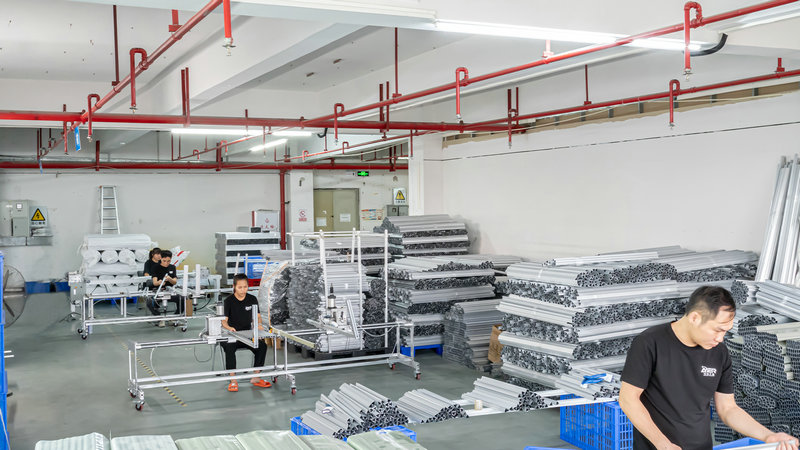
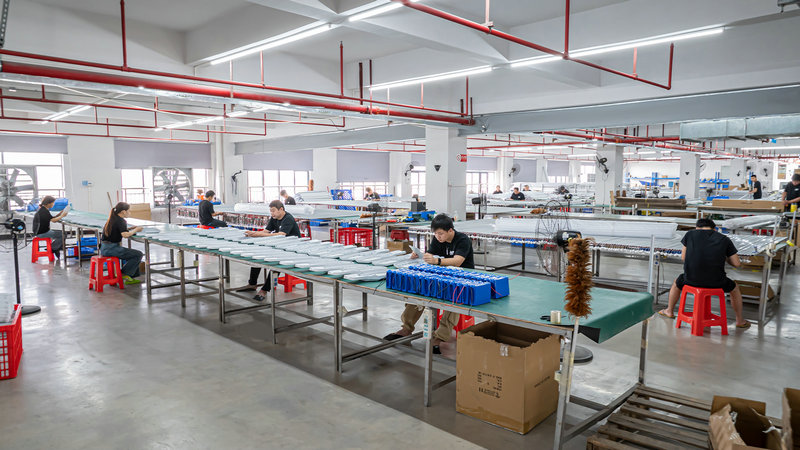
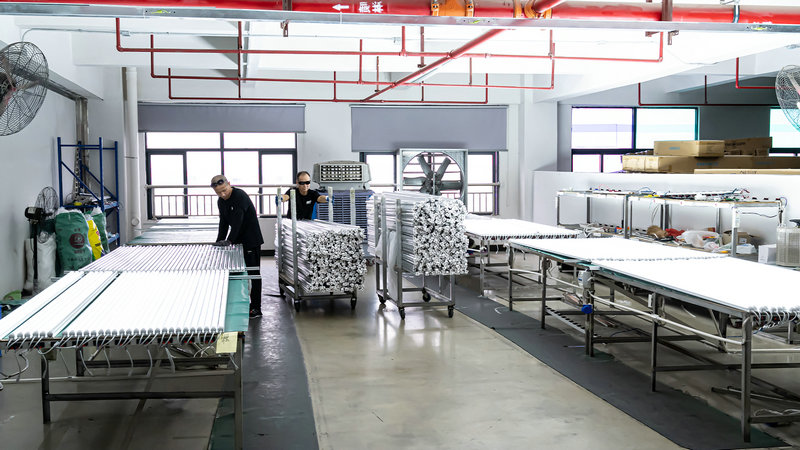
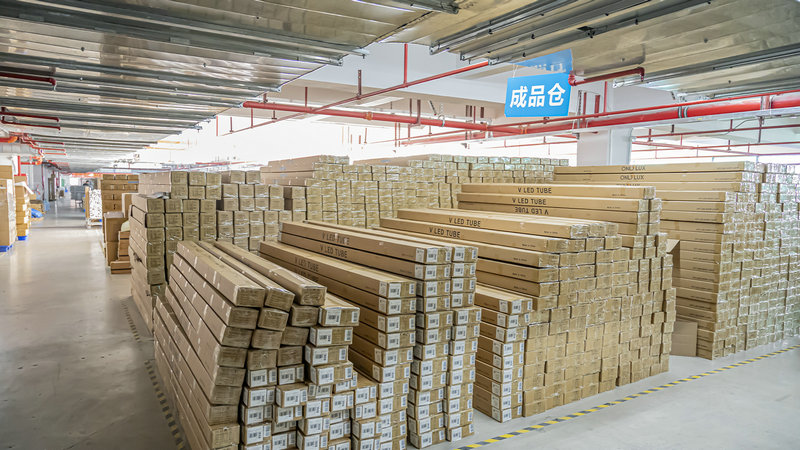
Operating a modernized manufacturing cluster in Linyi, Shandong, we bridge raw material processing and complete luminaire assembly to deliver superior quality control.
Shandong SciBrite Lighting Co., Ltd. is a professional manufacturer specializing in the research, development, production, and sales of high-quality LED lighting products. With years of industry experience and a strong commitment to innovation, we provide reliable lighting solutions for residential, commercial, and industrial applications worldwide.
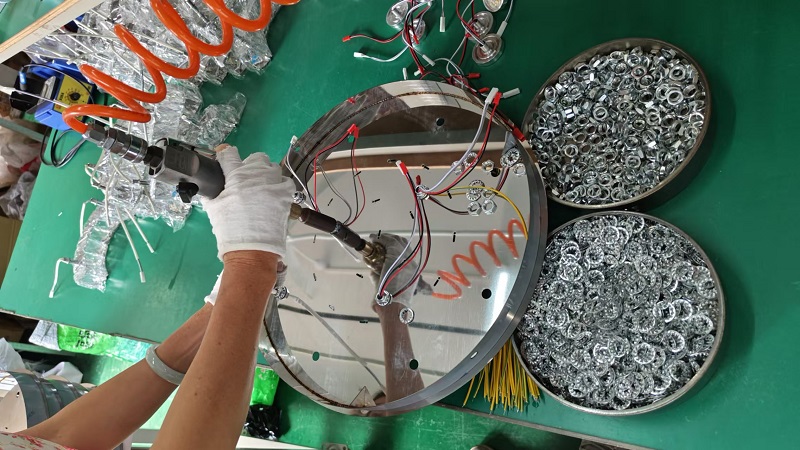
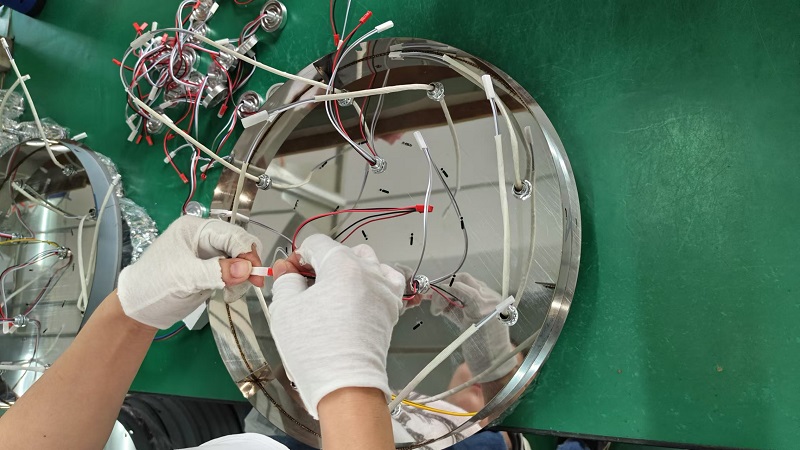
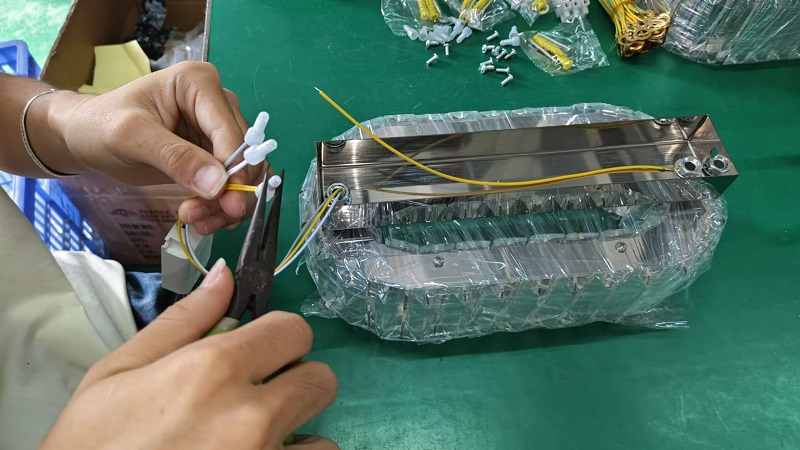
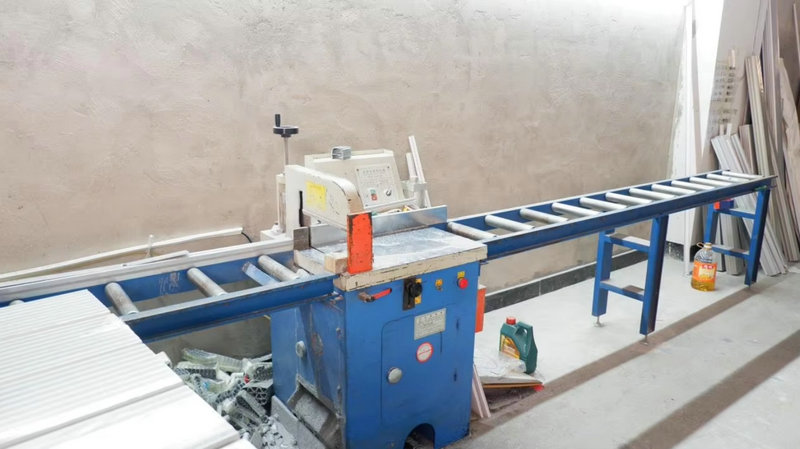
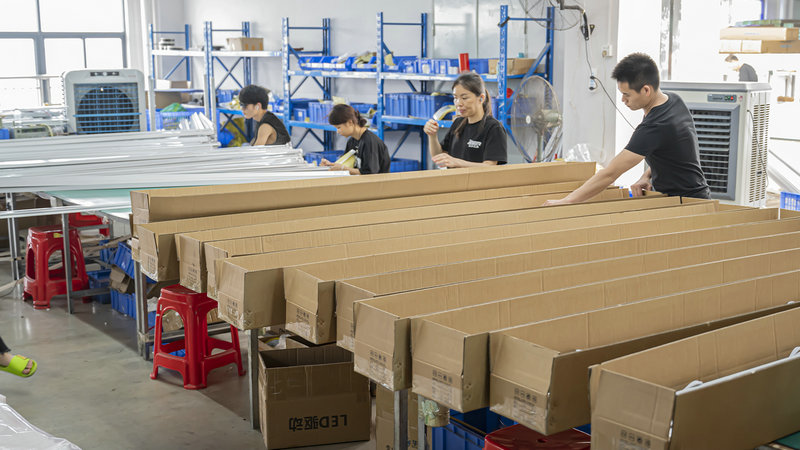
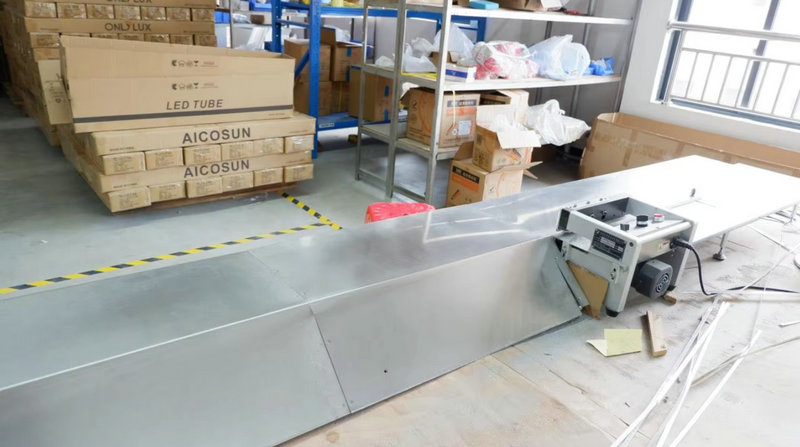
Located in Linyi, Shandong Province, China, our company operates modern manufacturing facilities equipped with advanced production equipment and complete testing systems. From product design and mold development to manufacturing, quality inspection, and packaging, every production process is carried out under strict quality control to ensure stable performance, safety, and long service life.
Our main product range includes LED ceiling lights, ceiling lamp bases, moisture-proof lights, bulkhead lights, panel lights, and other indoor lighting products. We also offer comprehensive OEM and ODM services, enabling customers to customize product design, specifications, packaging, and branding according to their market requirements. Whether for engineering projects, wholesale distribution, cross-border e-commerce, or private-label business, SciBrite Lighting is dedicated to delivering flexible and professional solutions.

Understanding mechanical properties and polymer behaviors during procurement prevents installation failures and keeps project budgets under control.
| Material Category | Light Transmission | Flame Retardancy | Yellowing Resistance | Optimal Applications |
|---|---|---|---|---|
| PMMA (Polymethyl Methacrylate) | 90% - 93% | UL94-HB (Standard) | Excellent (UV-Stable) | High-end corporate offices, public institutions, architectural feature walls. |
| Polycarbonate (PC) | 85% - 88% | UL94-V0 to V2 (High) | Good (With UV stabilizer) | Fire-rated environments, high-voltage equipment enclosures, outdoor systems. |
| Polystyrene (PS) | 86% - 89% | UL94-HB | Poor (Prone to aging) | Cost-driven developer projects, short-term promotional setups. |
| ABS (Acrylonitrile Butadiene Styrene) | Opaque / Custom | UL94-HB to V0 | Moderate | Structural back covers, ultra-thin smart luminaire edge housing. |
Modern commercial buildings rely heavily on circadian lighting. Our diffusers are specifically engineered to maintain consistent chromaticity coordinates across the entire 5CCT range (2700K to 6500K) during step-less dimming cycles.
Through computational physics and ray tracing, our R&D team optimizes micro-lens array configurations directly on the diffuser surface. This allows us to shape custom light distribution curves according to project demands.
We reduce carbon intensity by utilizing recycled polymer matrix bases and localized material processing hubs within Shandong. This translates into reliable lead times and competitive pricing for European and American distributors.
From extreme environments like marine cabins and outdoor bathrooms to corporate centers, our light diffusers are engineered to perform in various demanding settings.
For applications such as outdoor bathrooms, marine vessels, and RVs, standard diffuser panels fail due to moisture ingress and vibration. Our IP65/IP54 certified lights feature double-gasket co-extrusion diffusers that seal out moisture while preventing thermal expansion buckling. This ensures long-lasting, uniform lighting even under constant humidity.
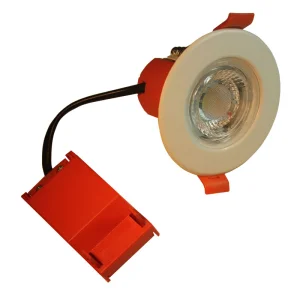
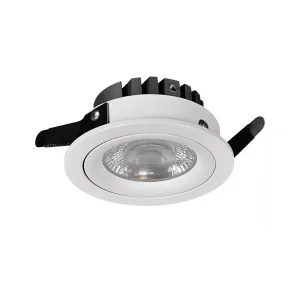
Multi-family residential buildings and public corridors require strict fire compliance. Our fire-rated recessed downlights are designed to seal the ceiling aperture against flame spread, while our custom diffuser lenses are formulated to meet high flammability safety standards without yellowing over time.
Answering critical engineering and sourcing questions for design engineers, procurement heads, and lighting distributors.
PMMA (acrylic) is highly resistant to UV radiation and weathering, meaning it will not yellow or degrade when exposed to sunlight or intense LED arrays for years. PS (polystyrene) is a more budget-friendly alternative but is prone to yellowing and embrittlement within 12 to 24 months of continuous operation under high-intensity blue light wavelengths.
We achieve UGR < 19 by embossing a precise micro-prismatic pattern (such as hexagonal structures) on the outer surface of the diffuser. This structural design limits wide-angle light emission above 65 degrees, minimizing direct glare into the eyes of workers while maintaining high light transmission downwards.
Our fully integrated products are tested against EN 60598-1 (General Requirements for Luminaires), EN 60598-2-2 (Recessed Luminaires), and EN 62471 (Photobiological Safety). Furthermore, the optical materials undergo flammability evaluation under the Glow Wire Test (IEC 60695-2-12) to ensure compliance with international commercial construction standards.
Every percent increase in light transmission directly improves fixture efficacy. For example, upgrading from a 78% transmission PS diffuser to an 88% PMMA diffuser allows the luminaire to output more lumens using the exact same wattage. This reduction in heat buildup also extends the lifetime of the underlying LED chips.
We formulate our diffusion material using high-purity, optical-grade acrylic and polycarbonate polymers combined with precise dosages of organic micro-bead scattering agents. This design ensures light passes through without selective wavelength absorption, maintaining the target CCT (such as 3000K, 4000K, or 5CCT systems) without color shifting.
Yes. For damp or outdoor locations, we pair our diffusers with IP65-rated housing designs (such as our IP65 waterproof downlights). We use co-extruded polycarbonate panels with silicone gaskets to prevent moisture ingress, condensation, and thermal deformation in humid conditions.
Our polycarbonate (PC) diffusers are engineered to meet UL94 V-0 flame-retardant standards. This means they are self-extinguishing within seconds after removal of a flame source, making them ideal for commercial architectural projects with strict fire safety codes.
Yes, we provide full OEM and ODM services. Our Linyi facility features dedicated sawing, drilling, and laser CNC milling machines to customize shapes, cutouts, and dimensions to match your mechanical drawings. Minimum order quantities vary based on material selection.
We employ a strict quality management system that includes automated optical inspection, integrating sphere testing, and goniophotometric evaluations. Every production run undergoes simulated thermal aging tests to verify structural integrity and prevent optical degradation before shipping.
We ship primary cargo from Qingdao Port and Linyi Logistics Hub. Standard production cycles for OEM orders run between 25 to 35 business days, depending on components and customization requirements. Expedited processing is available for established supply chain partners.
Complete your procurement requirements with our specialized fixtures, built for demanding commercial, marine, residential, and industrial applications.