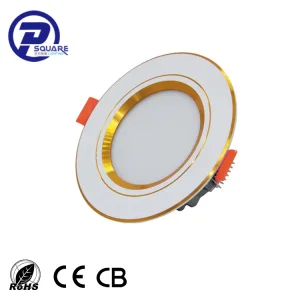
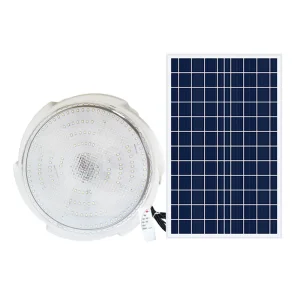
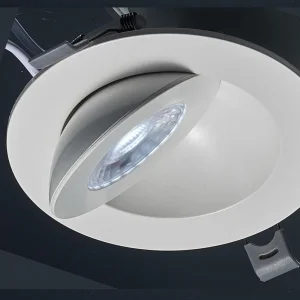
Select high-performance recessed fixtures, anti-glare spotlights, and weather-resistant luminaires engineered for modern smart lighting networks.
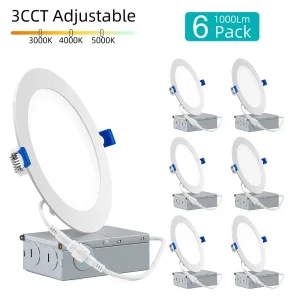
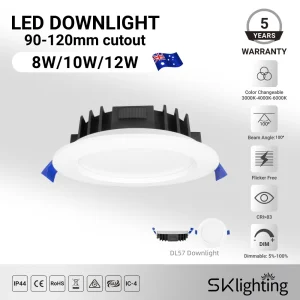
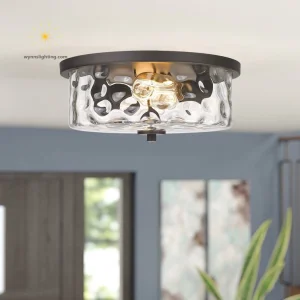
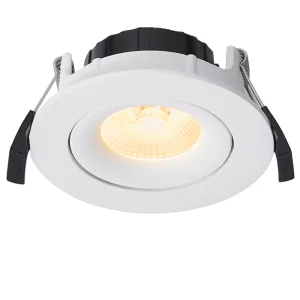
An engineering analysis of battery-operated architectural luminaires in commercial, emergency, and retrofitting infrastructure.
The global transition toward decentralized architecture, smart commercial infrastructure, and emergency-preparedness standards has driven massive growth in the battery-operated lighting sector. Wireless ceiling lights are no longer merely backup devices for temporary blackouts; they represent a fundamental technological shift in building illumination. According to recent market analysis, commercial demands for emergency, sensor-driven, and grid-independent wireless downlights have risen by over 34% year-over-year. Key drivers include the escalating labor cost of wiring and conduit retrofitting in older European and North American buildings, alongside stringent municipal code requirements for continuous illumination during grid disruptions.
Finding a reliable OEM/ODM factory partner is critical because battery-operated ceiling lights exist at the convergence of three demanding domains: high-density lithium energy storage, highly efficient optical systems, and precision smart control circuitry. Uncertified batteries or poor thermal dissipation will result in swift lumen degradation or system failure. The industry's top manufacturers, primarily clustered in China's robust lighting supply chains, have established advanced engineering pipelines to balance runtime, lumen output, and strict international compliance standards.
A professional leader in the research, development, and international export of architectural and industrial LED lighting solutions.
Shandong SciBrite Lighting Co., Ltd. is a professional manufacturer specializing in the research, development, production, and sales of high-quality LED lighting products. With years of industry experience and a strong commitment to innovation, we provide reliable lighting solutions for residential, commercial, and industrial applications worldwide. Our manufacturing capabilities enable us to produce highly optimized, reliable fixtures that meet the rigorous performance requirements of international buyers, distributors, and engineering firms.
Our main product range includes LED ceiling lights, ceiling lamp bases, moisture-proof lights, bulkhead lights, panel lights, and other indoor lighting products. We also offer comprehensive OEM and ODM services, enabling customers to customize product design, specifications, packaging, and branding according to their specific market requirements. Whether for engineering projects, wholesale distribution, cross-border e-commerce, or private-label business, SciBrite Lighting is dedicated to delivering flexible and professional solutions.
Located in Linyi, Shandong Province, China, our company operates modern manufacturing facilities equipped with advanced production equipment and complete testing systems. From product design and mold development to manufacturing, quality inspection, and packaging, every production process is carried out under strict quality control to ensure stable performance, safety, and long service life. Today, our products are exported to many countries and regions, including Europe, North America, South America, Southeast Asia, the Middle East, and Africa. Through reliable product quality, competitive pricing, on-time delivery, and responsive customer service, we have established long-term partnerships with customers across the globe and earned an excellent reputation in the international market.
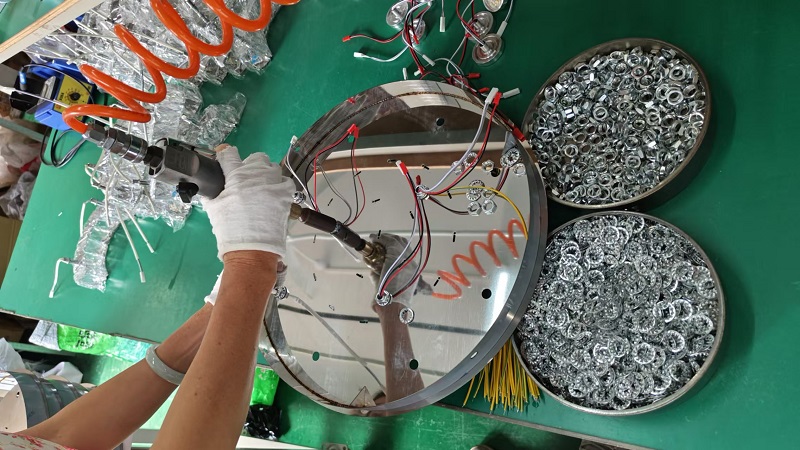
Adhering to our business philosophy of "Quality First, Innovation Driven, Customer Focused, and Win-Win Cooperation," our production floor follows a structured pipeline monitored by professional QA engineers. Below is an overview of our state-of-the-art production phases:
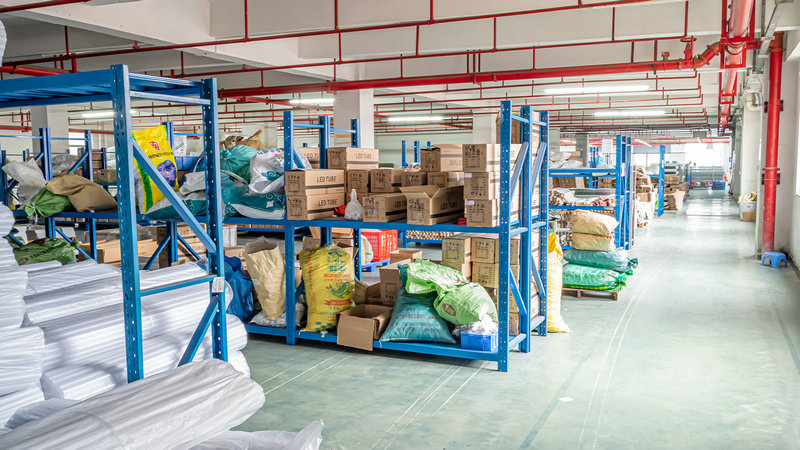
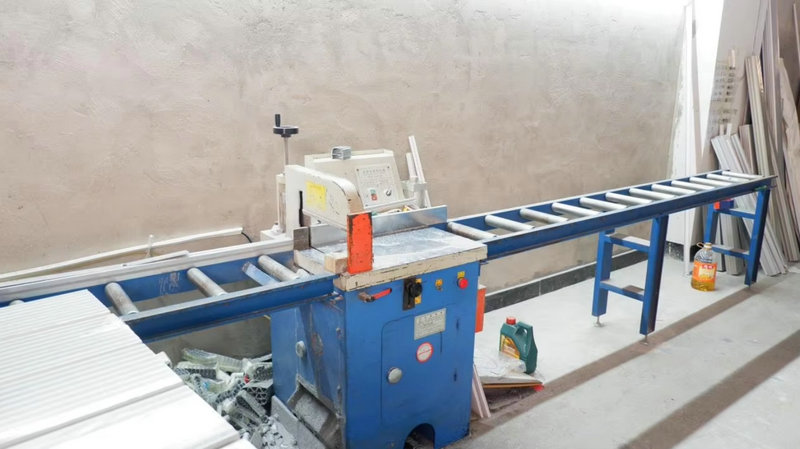
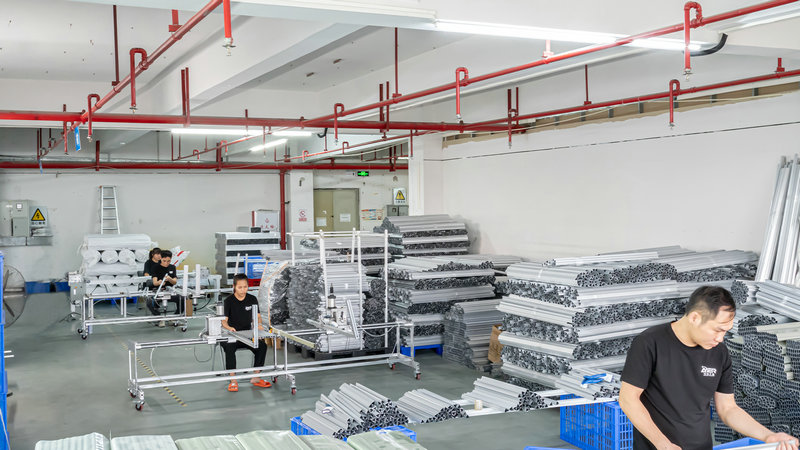
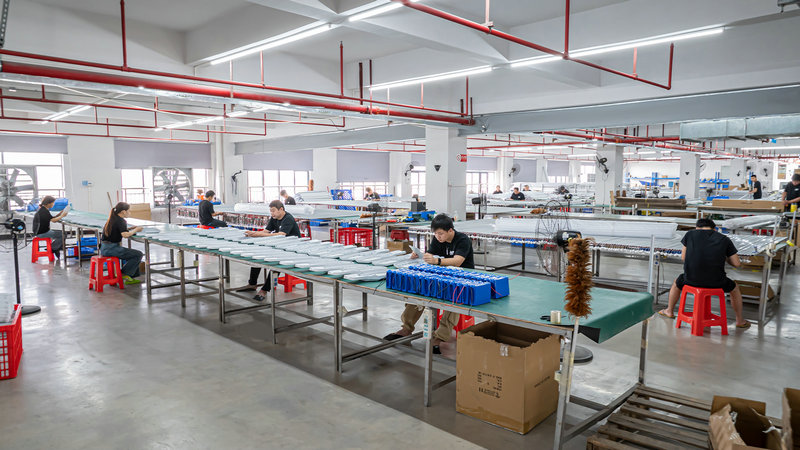
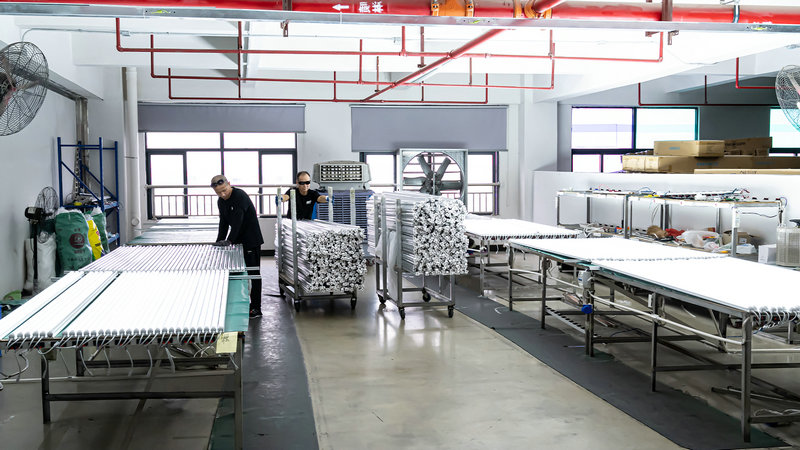
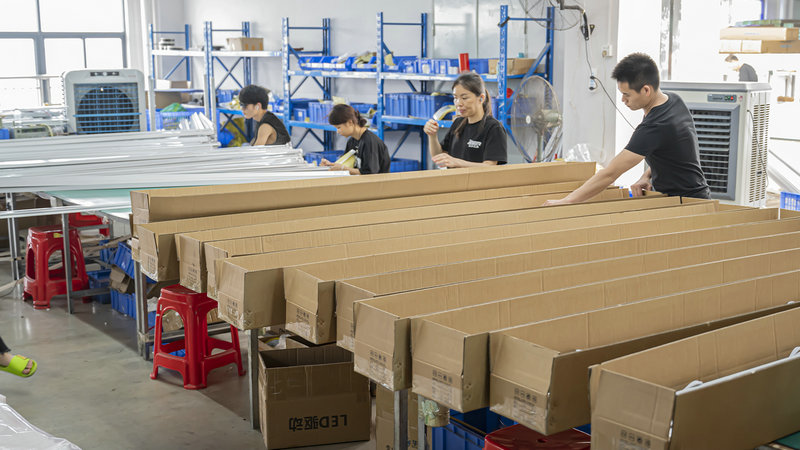
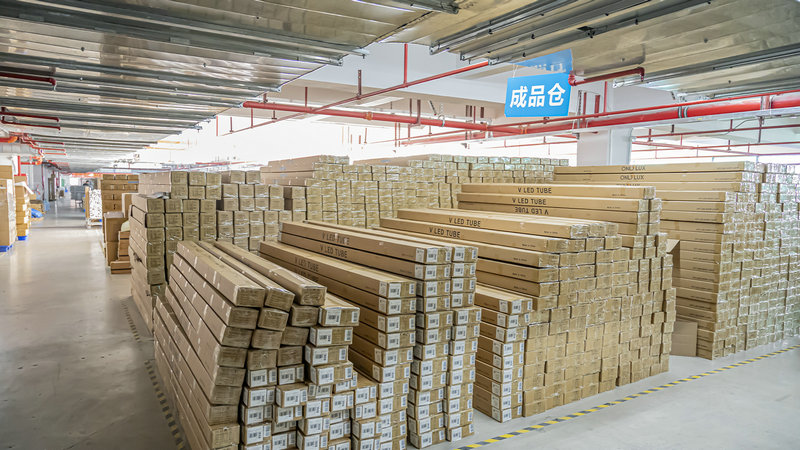
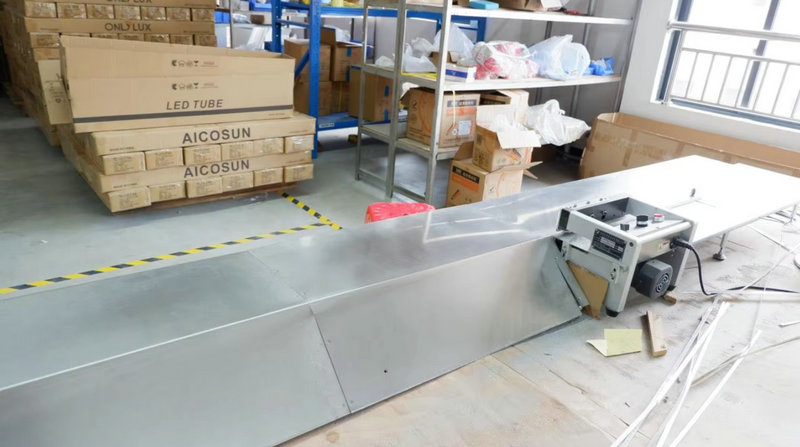
Precision is key for complex battery components, motion sensors, and high-efficiency optical arrays. Our assembly lines are partitioned for maximum throughput and component safety.
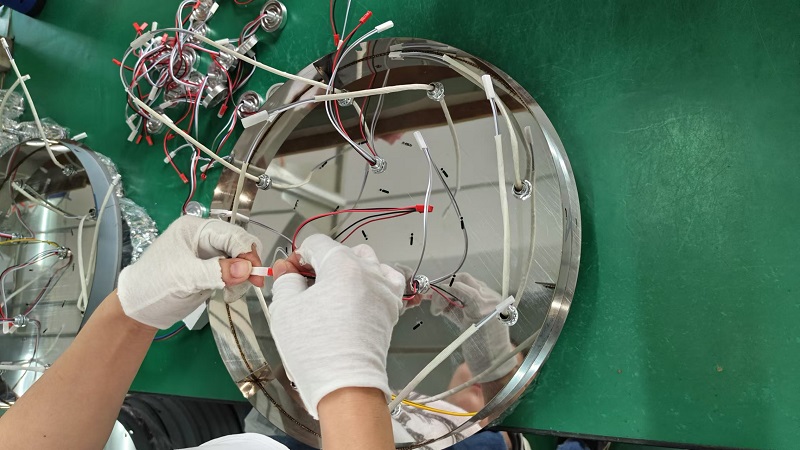
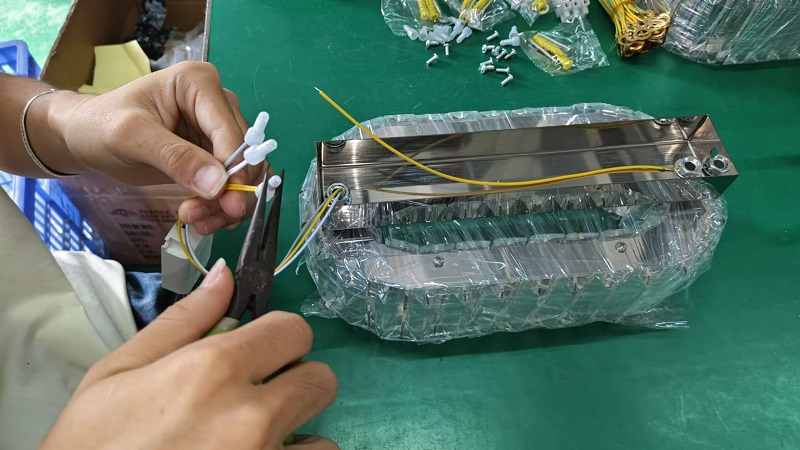
How regional demand patterns dictate specific product characteristics for battery-powered lighting systems.
European cities boast strict heritage protection laws. In cities like Paris, London, or Munich, drilling through centuries-old stone, plaster, or concrete ceilings to run conduit is legally restricted or financially prohibitive. High-lumen, flush-mount battery ceiling lights equipped with integrated RF controls allow contractors to restore or update spaces without altering structural brickwork.
In seismic-active or hurricane-prone coastal regions, local municipal codes mandate secondary emergency backup systems. If local substations go offline, battery-backed recessed lights dynamically activate to prevent injuries. Top-tier exporters design these fixtures with continuous-trickle charging systems that can operate seamlessly off standard grid power until emergency scenarios arise.
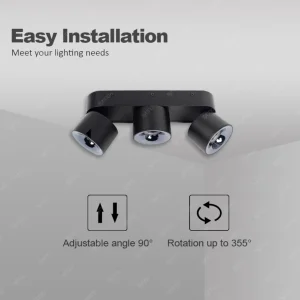
Modern retail layout strategies prioritize rapid transformation. Reconfiguring wired displays can take days and require licensed electricians. Magnetic, battery-operated ceiling spotlights or ultra-thin shelf lights allow retail visual merchandisers to change spot angles, adjust color temperatures (CCT), and mount lights dynamically, saving significant operational overhead.
Key evolutionary stages of battery-powered lighting technology through 2030.
The performance of cordless ceiling fixtures hinges on energy density, charging intelligence, and optical efficiency. To guide professional procurement agents, the technical roadmap of the industry's leaders focuses on three primary evolutionary directions:
The standard lithium-ion cells historically used are being replaced by lithium iron phosphate (LiFePO4) chemistries. LiFePO4 cells are structurally more stable under heat, virtually eliminate thermal runaway risks, and provide up to 3,000 charge-discharge cycles compared to the 500-cycle limit of standard ternary lithium. Future product pipelines also integrate solid-state micro-batteries, which will allow ultra-thin form factors down to 5mm thickness without sacrificing runtime.
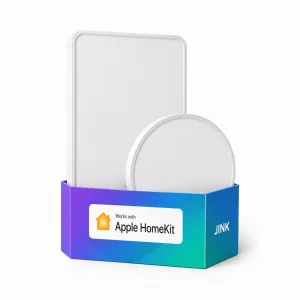
Future iterations of wireless ceiling lights are dropping passive infrared (PIR) sensors in favor of ultra-low-power 24GHz microwave radar sensors. These radar arrays detect presence through micromotions, such as typing or breathing, and consume under 50 microamps. When combined with Bluetooth Low Energy (BLE) Mesh or Matter-over-Thread communication modules (like the JINK Halo Pro Smart Light), these fixtures self-organize into synchronized nodes that light up ahead of a user walking through a corridor.
By pairing high-efficiency ceiling units with ultra-thin organic photovoltaic (OPV) indoor solar cells or micro-vibration energy harvesters, next-generation units will gather energy from ambient light and HVAC airflow. This enables true "zero-maintenance" operations where battery recharging is required only once every two to three years, or never.
How strategic geographical clusters drive optimization in LED manufacturing and global logistics.
Shandong Province, particularly the logistics and manufacturing hub of Linyi, represents a crucial cog in the global supply of mechanical and electrical components. For international buyers sourcing ceiling lights, the Linyi lighting cluster provides exceptional systemic advantages:
Within a 50-kilometer radius of Shandong SciBrite Lighting Co., Ltd.'s facility, the supply chain provides direct access to high-purity aluminum extrusion foundries, precision injection mold toolmakers, SMD LED packaging plants, and specialized lithium battery module packagers. This local ecosystem eliminates domestic shipping delays and keeps component costs exceptionally lean.
Linyi is widely recognized as the wholesale and logistics capital of Northern China. It hosts a massive network of domestic trucking lines connected directly to Qingdao Port, Tianjin Port, and Shanghai Port. For overseas distributors, this guarantees rapid freight forwarding, lower container consolidation fees, and shorter transit timelines compared to landlocked factories.
Unlike massive automated plants that require sky-high minimum order quantities (MOQs) for custom product changes, Shandong SciBrite's flexible production lines allow for customized packaging, CCT adjustments (3000K/4000K/6000K, or 5CCT selectable), customized casing shapes, and brand laser printing for regional distributors.
Essential global certifications required for importing and distributing battery-operated electrical products.
Importing battery-operated lighting requires strict compliance with international electric safety, radio emission, and chemical waste directives. Standard AC-powered lighting certifications are insufficient due to the presence of internal energy storage systems. Below is a checklist of regulatory criteria maintained by leading exporters:
Expert technical answers regarding life cycles, standby current, installation, and customized production.
Explore specialized motion-activated panel lights, artistic brass branch fixtures, and remote-controlled solar systems.