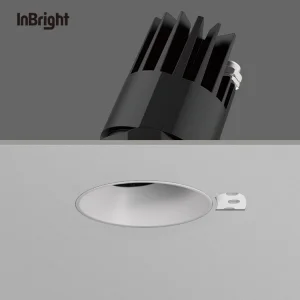
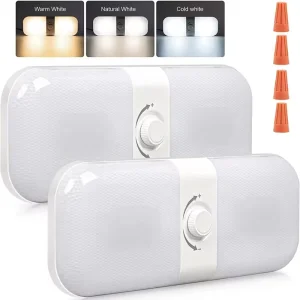
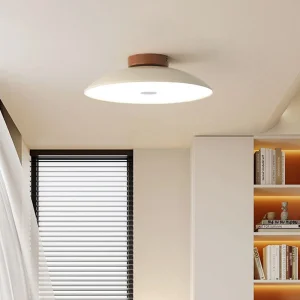
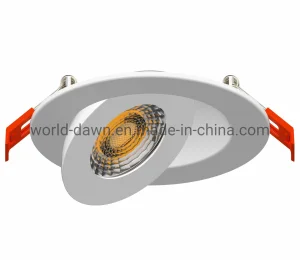
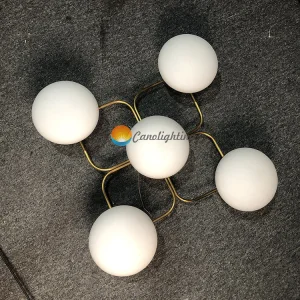
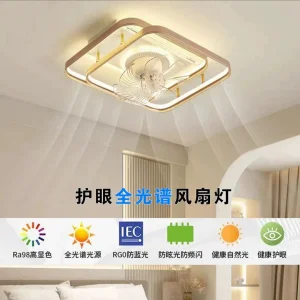
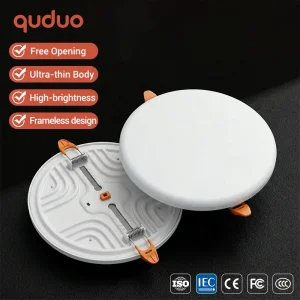
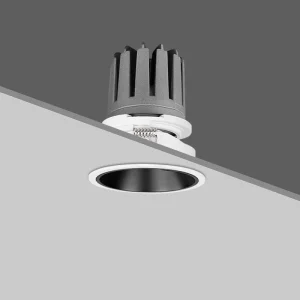
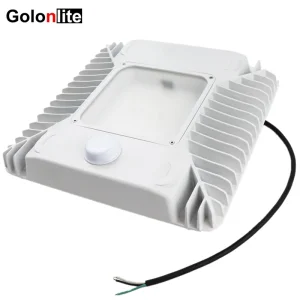
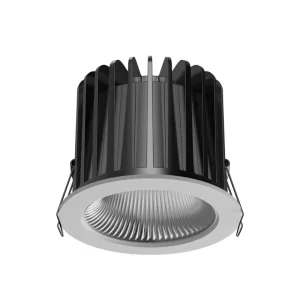
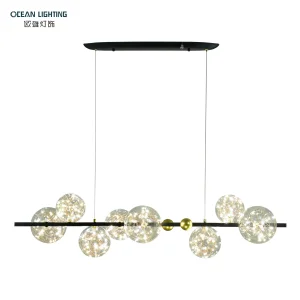
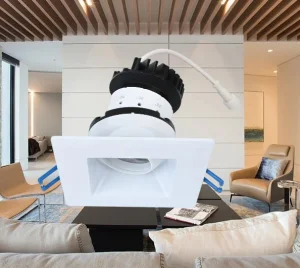
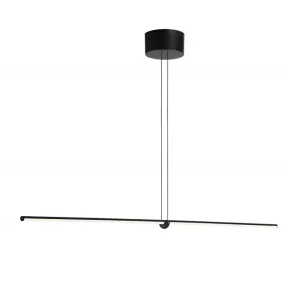
Explore our premium architectural lighting catalog featuring modern minimalist pendant designs, rotatable recessed panels, smart ceiling fixtures, and glare-free hotel solutions designed to seamlessly augment commercial spaces.
An in-depth structural analysis of engineered polymers vs. natural silica, evaluating the performance metrics that guide hospitality, institutional, and real-estate lighting design decisions.
In modern architectural design, the demand for large-scale luminescent installations that command visual authority has never been higher. Traditionally, high-end hospitality lobbies and luxury residences relied on natural silica crystals (quartz) or leaded silicate glass to achieve the desired light dispersion and refractive brilliance. However, contemporary commercial engineering favors faux crystal chandeliers—luminaires crafted from high-grade polymers such as polymethyl methacrylate (PMMA), optical polycarbonate (PC), and premium lead-free crystalline glass equivalents. This shift is driven not only by cost optimization but also by vital structural, maintenance, and safety advantages.
From an engineering perspective, faux crystal offers a significant reduction in static structural load, allowing architects to specify massive installations without requiring costly structural reinforcement of ceiling joists and support anchors. Natural crystal has a density of approximately 2.65 g/cm³, whereas optical PMMA possesses a density of only 1.18 g/cm³. This reduction of more than 50% in structural weight translates directly into safer, faster, and more cost-effective installations, particularly in seismic zones or high-traffic commercial spaces.
Furthermore, the integration of advanced LED arrays within faux crystal matrices presents a distinct thermodynamic advantage. Engineered polymers can be molded with precision refractive facets, ensuring light transmission rates of up to 92%. When combined with modern low-voltage constant-current drivers, these materials minimize optical loss, reduce heat retention, and ensure the long-term color rendering stability of the luminaire.
| Physical Parameter | Natural Quartz/Glass | Optical-Grade PMMA (Faux) | K9 Crystal Glass |
|---|---|---|---|
| Density (g/cm³) | 2.50 – 2.65 | 1.18 – 1.20 | 2.45 – 2.55 |
| Refractive Index (nd) | 1.52 – 1.54 | 1.49 – 1.51 | 1.51 – 1.53 |
| Light Transmission (%) | 88% – 90% | 92% | 91% |
| Impact Resistance (kJ/m²) | Low (Brittle) | High (Flexible) | Moderate |
| UV Degradation Resistance | Excellent | High (with UV Stabilizers) | Excellent |
The visual signature of a chandelier is defined by its dispersion—the ability of a material to separate white light into its constituent spectral colors, creating the highly sought-after "sparkle" or fire. In physics, this is quantified by the Abbé number. While leaded crystal has a lower Abbé number (which results in higher dispersion), modern optical faux crystal formulations are injected with high-refractive index additives that lower their Abbé number to mimic the dispersion characteristics of leaded glass, without the associated weight, environmental hazard, or toxicity. For municipal and institutional installations, specifying lead-free faux materials is often a mandatory compliance threshold under regional green building initiatives.
Bridging traditional light refraction aesthetics with smart internet-of-things (IoT) ecosystems, structural safety protocols, and next-generation optical polymers.
The future of faux crystal lies in block copolymerization and surface nanocoatings. The integration of hydrophobic and anti-static coatings prevents atmospheric dust accumulation, solving the historical maintenance challenge of cleaning multi-tier chandeliers. Advanced UV-stabilizing additives prevent polymer yellowing under sunlight and high-energy LED exposure, ensuring optical clarity for over 50,000 operational hours.
Architects are no longer limited to static warm-white lighting. Next-generation faux crystal chandeliers incorporate addressable multi-channel LED arrays driven by DALI-2, Zigbee, or Bluetooth Mesh protocols. By dynamically shifting Correlated Color Temperature (CCT) from a crisp 5000K during daylight hours to a warm 2200K for evening ambiance, these fixtures integrate into human-centric lighting designs.
Modern luminaire design utilizes Finite Element Analysis (FEA) to map structural stress and thermal convection within massive multi-ring chandeliers. By engineering internal aluminum heatsinks and optimizing ambient airflow around the refractive components, thermal hotspots are mitigated, preventing material distortion and extending driver lifecycle to maximum limits.
Operating state-of-the-art facilities in Linyi, Shandong, we deliver end-to-end OEM/ODM manufacturing capability under strict international quality controls.
Shandong SciBrite Lighting Co., Ltd. is a professional manufacturer specializing in the research, development, production, and sales of high-quality LED lighting products. With years of industry experience and a strong commitment to innovation, we provide reliable lighting solutions for residential, commercial, and industrial applications worldwide. Our main product range includes LED ceiling lights, ceiling lamp bases, moisture-proof lights, bulkhead lights, panel lights, and other indoor lighting products. We also offer comprehensive OEM and ODM services, enabling customers to customize product design, specifications, packaging, and branding according to their market requirements. Whether for engineering projects, wholesale distribution, cross-border e-commerce, or private-label business, SciBrite Lighting is dedicated to delivering flexible and professional solutions.
Located in Linyi, Shandong Province, China, our company operates modern manufacturing facilities equipped with advanced production equipment and complete testing systems. From product design and mold development to manufacturing, quality inspection, and packaging, every production process is carried out under strict quality control to ensure stable performance, safety, and long service life. Our experienced R&D and technical teams continuously develop innovative products that meet international market standards while improving energy efficiency and user experience. We are committed to providing environmentally friendly, durable, and cost-effective lighting solutions for customers around the world. Today, our products are exported to many countries and regions, including Europe, North America, South America, Southeast Asia, the Middle East, and Africa. Through reliable product quality, competitive pricing, on-time delivery, and responsive customer service, we have established long-term partnerships with customers across the globe and earned an excellent reputation in the international market. Adhering to the business philosophy of "Quality First, Innovation Driven, Customer Focused, and Win-Win Cooperation," Shandong SciBrite Lighting Co., Ltd. continuously strives to create greater value for our customers and partners. We warmly welcome customers from around the world to cooperate with us and build a brighter future together.

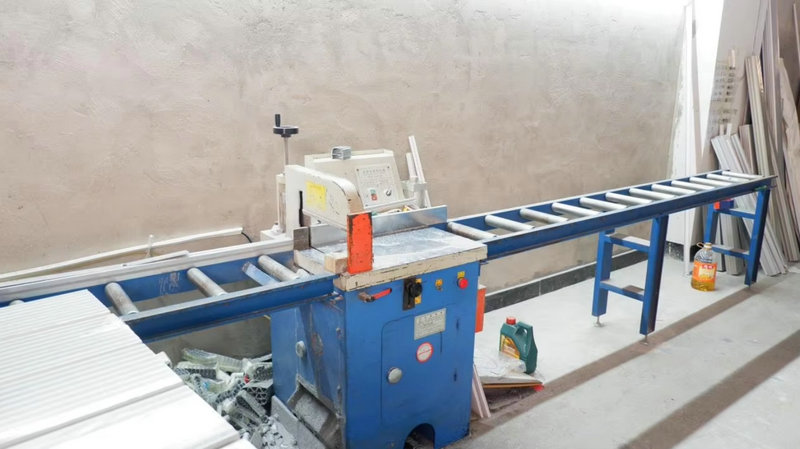
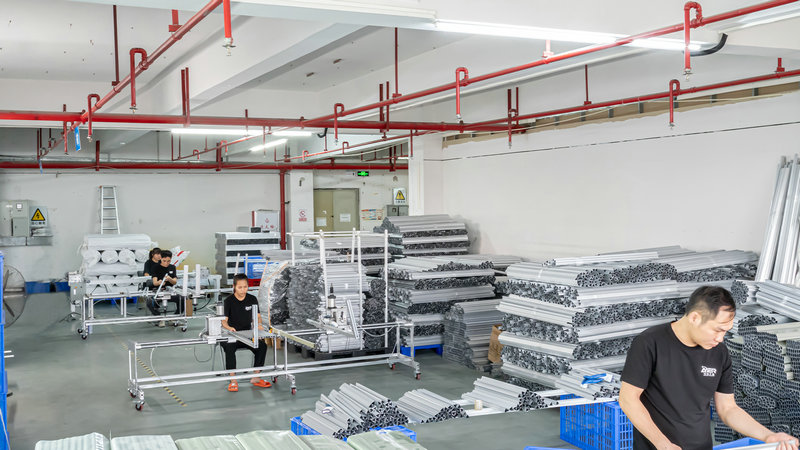
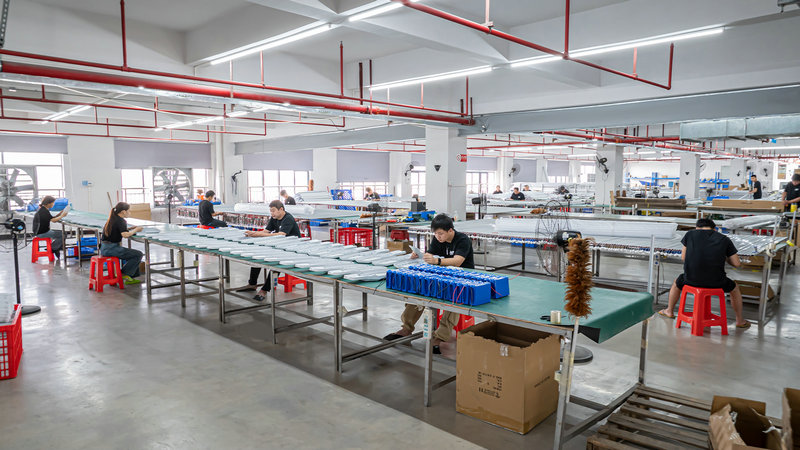
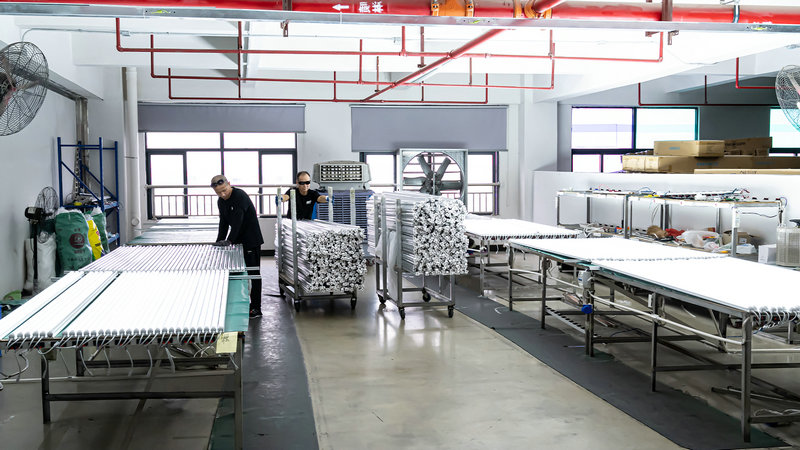
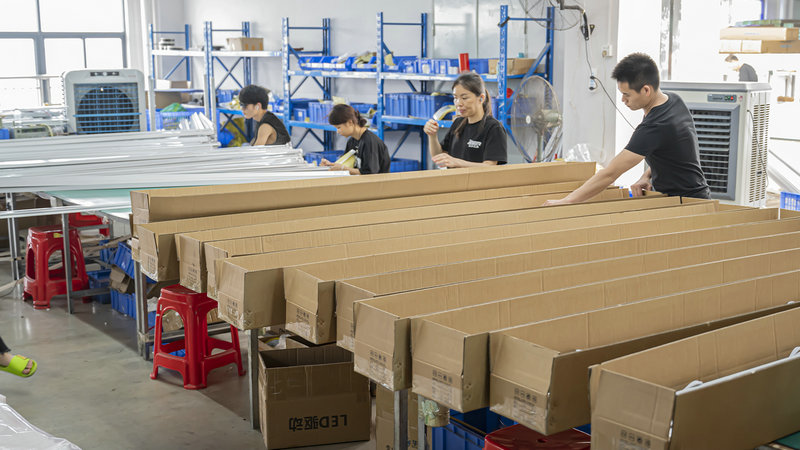
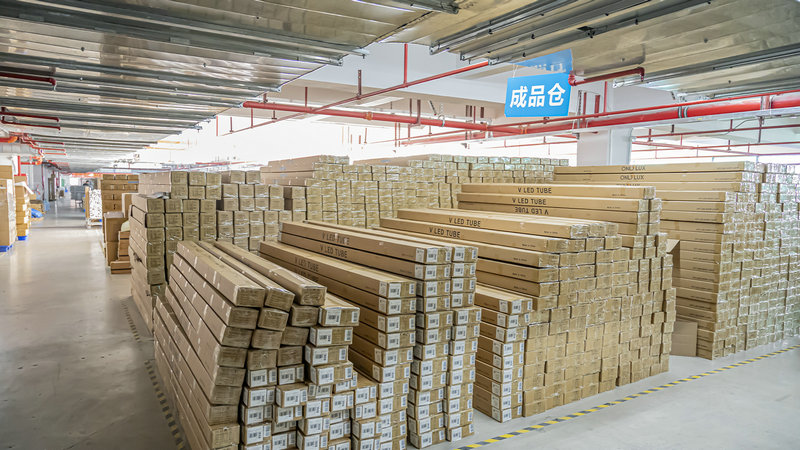
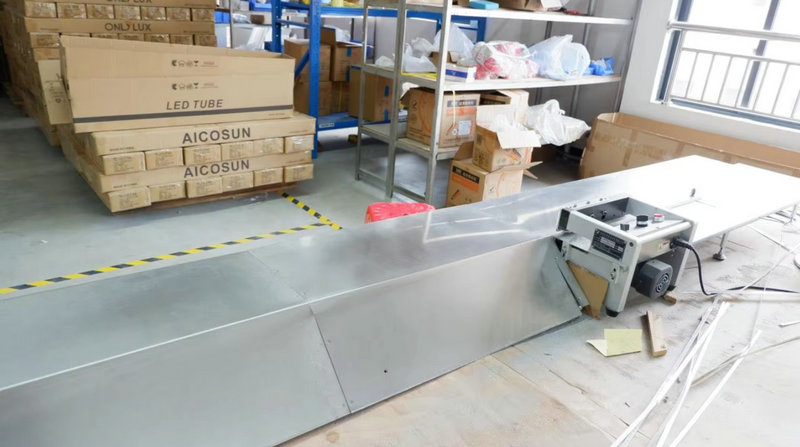
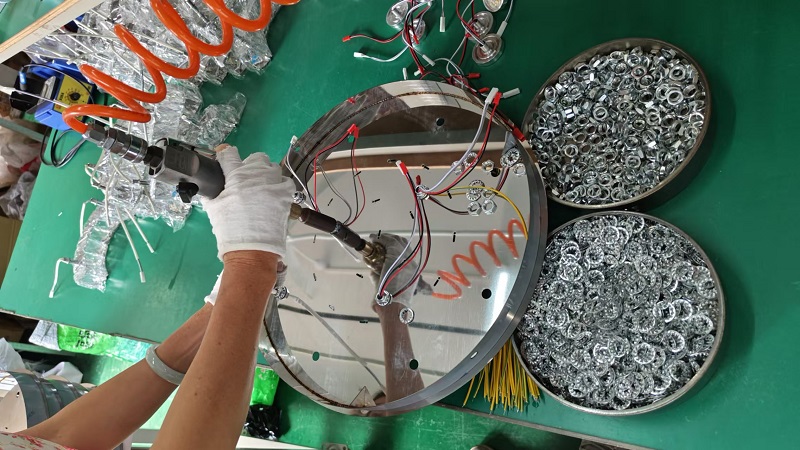
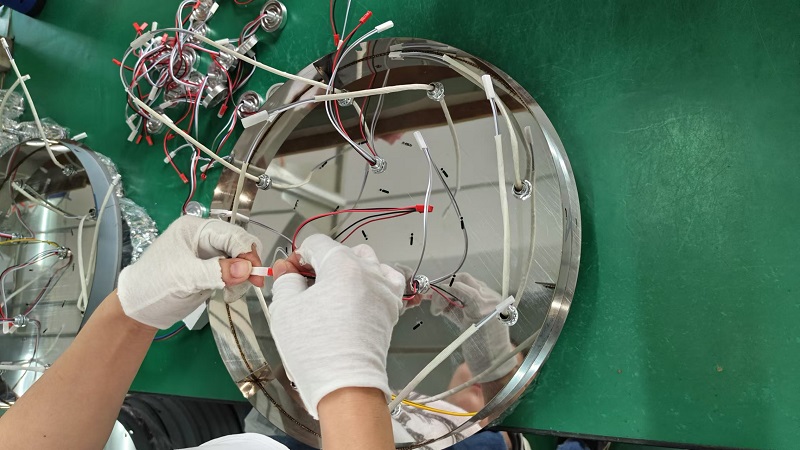
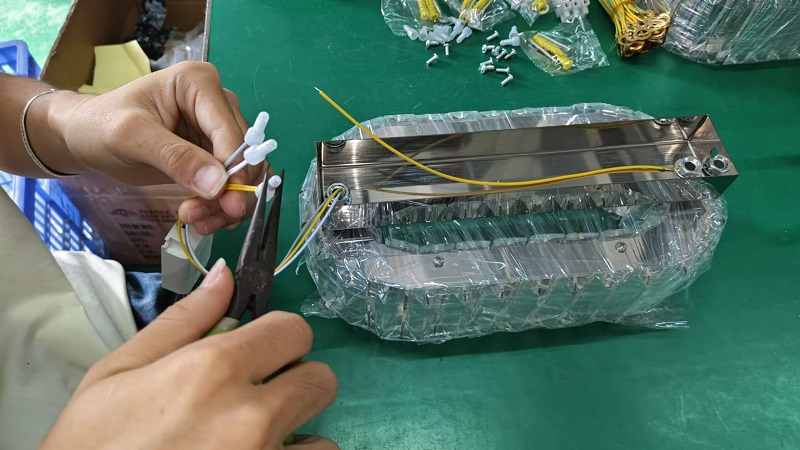
Leveraging Linyi's massive logistics hubs and vertically integrated raw material pipelines to buffer international buyers from inflationary pressure and freight volatility.
The manufacturing architecture of Shandong SciBrite Lighting Co., Ltd. is strategically situated within Linyi, Shandong, one of China's most robust industrial logistics corridors. This location gives our factory direct access to downstream material suppliers, including plastic resin extruders, precision aluminum stampers, and silicon-wafer packaging foundries. By localizing 90% of our component supply chain within a 150-kilometer radius, we eliminate transit latency and guarantee a steady manufacturing velocity regardless of global supply bottlenecks.
For international B2B wholesale distributors and engineering specifiers, this high degree of integration provides several distinct economic advantages:
Ensuring compliance with local building codes and strict energy standards across different regions through rigorous certification pipelines.
As a leading supplier of commercial illumination systems, Shandong SciBrite Lighting ensures that all products are engineered to conform with regional safety regulations and energy-efficiency metrics. Different markets impose highly specific restrictions on luminaire construction, electrical insulation, and electromagnetic compatibility. Our engineering teams construct each product category with these localized mandates in mind:
We configure fixtures to match the 120V/277V dual-voltage requirements typical in commercial building grids. Structural frames are engineered for UL (Underwriters Laboratories) compliance, and drivers are certified to FCC Class B standards to prevent RF interference with wireless building systems.
Our European product lines carry CE and RoHS markings, guaranteeing that all solder, plastics, and structural components are entirely free from hazardous substances like lead, mercury, and cadmium. Drivers feature high power factor correction (PFC > 0.95) to satisfy strict Eco-Design guidelines.
Luminaires shipped to MEA markets are designed to withstand high ambient temperatures and severe humidity levels. Drivers are upgraded with enhanced surge protection (up to 4kV) to absorb electrical grid fluctuations, and housings are optimized for dust-proof operation.
From hospitality lounges to heavy-duty marine applications, discover how our luminaires adapt to diverse architectural demands and environmental conditions.
Every commercial development poses unique constraints regarding floor plan layouts, ceiling elevations, and ambient environment. Selecting the correct luminaire geometry and material formulation is essential to balance aesthetics with long-term durability:
Direct technical answers to the most common questions raised by procurement officers, project managers, and lighting distributors.
Review our final selection of professional ceiling downlights, adjustable smart lamps, commercial canopy fixtures, and marine-grade dome solutions engineered for modern spaces.