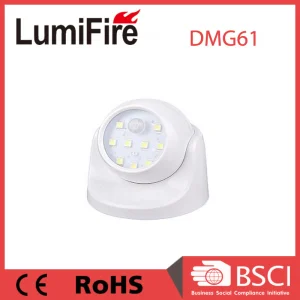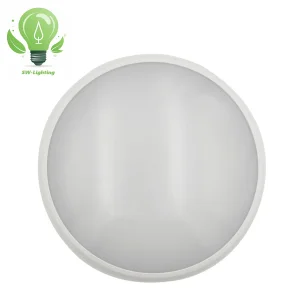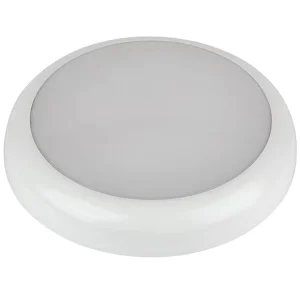
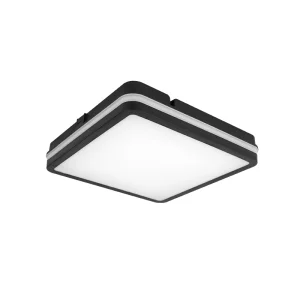
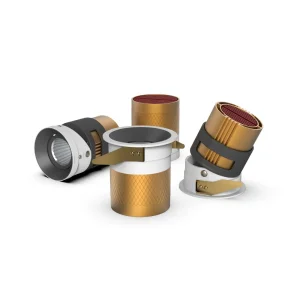
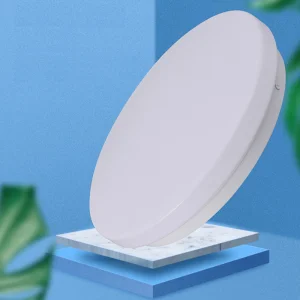
Naples presents unique environmental challenges. Our specialized ceiling luminaires are designed to withstand high relative humidity and salty marine environments while delivering uninterrupted efficiency in historical masonry structures.
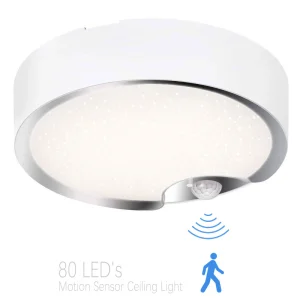
Under European green policies, Naples municipalities are aggressively mandating smart sensors. Upgrading standard systems to microwave detection saves up to 85% on idle-state electricity costs across large-scale facilities.
We manufacture according to rigorous European standardizations, ensuring ease of customs clearance, electrical compliance, and low THD drivers that align seamlessly with Italian smart-grid grids.
Naples, as a major cultural center and high-density tourist hub in Italy, features complex architectural dynamics. From historical palazzos converted into boutique hotels to contemporary transit terminals like the Naples International Airport and major Mediterranean shipping terminals, building developers face a dual mandate: conserve heritage architecture while dramatically cutting operating expenses.
A primary friction point for conventional retrofitting in coastal regions like Campania is structural moisture and salt-fog atmospheric corrosion. Standard indoor lighting degrades quickly under saline exposure, causing driver failure and sensor malfunction. Shandong SciBrite Lighting Co., Ltd. addresses these environmental conditions by supplying double-insulated, high-impact polycarbonate structures (IP65, IK08 rating) equipped with advanced radar microwave detection, which outperforms standard infrared sensors in varying Mediterranean temperatures.
Globally, the commercial lighting sector is transitioning away from Passive Infrared (PIR) technology to 5.8GHz High-Frequency (HF) Microwave Radar sensors. PIR sensors suffer from high susceptibility to thermal interference; in hot Italian summers where ambient temperatures approach human body heat (35°C to 38°C), PIR sensitivity degrades up to 60%. Microwave sensor systems, operating on doppler-shift telemetry, are completely temperature-independent, enabling reliable detection through non-metallic structural elements like drywalls, ceilings, and wooden panels.
| Performance Metric | 5.8GHz Microwave Radar (SciBrite Specs) | Standard Passive Infrared (PIR) | Impact on Naples Commercial Assets |
|---|---|---|---|
| Ambient Temp Sensitivity | 0% degradation across -20°C to +60°C | Severe degradation above 30°C | Reliable activation during southern Italian summer peaks |
| Structural Penetration | Detects through drywall, glass, thin doors | Strictly line-of-sight pathing | Allows discrete sensor integration behind aesthetic paneling |
| Operating Lifespan | >50,000 continuous sensor cycles | Mechanical lens degradation over time | Reduced maintenance cost in historic high-ceiling properties |
| Luminous Efficacy | Up to 120 lm/W high performance index | Usually limited to 80-90 lm/W in integrated products | Dramatically helps properties hit EU Decarbonization Targets |
Shandong SciBrite Lighting Co., Ltd. is a professional manufacturer specializing in the research, development, production, and sales of high-quality LED lighting products. With years of industry experience and a strong commitment to innovation, we provide reliable lighting solutions for residential, commercial, and industrial applications worldwide.
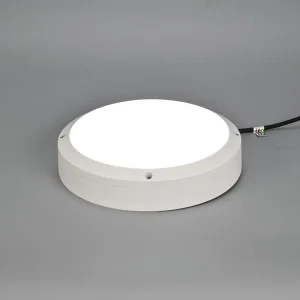
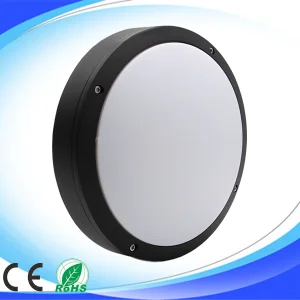
Our main product range includes LED ceiling lights, ceiling lamp bases, moisture-proof lights, bulkhead lights, panel lights, and other indoor lighting products. We also offer comprehensive OEM and ODM services, enabling customers to customize product design, specifications, packaging, and branding according to their market requirements. Whether for engineering projects, wholesale distribution, cross-border e-commerce, or private-label business, SciBrite Lighting is dedicated to delivering flexible and professional solutions.
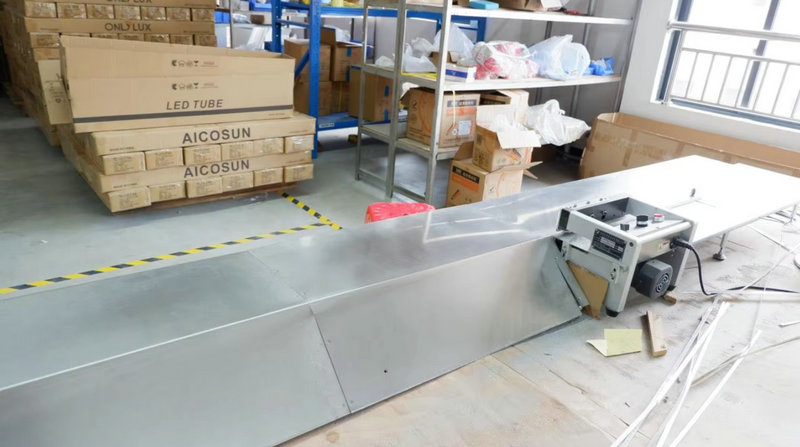
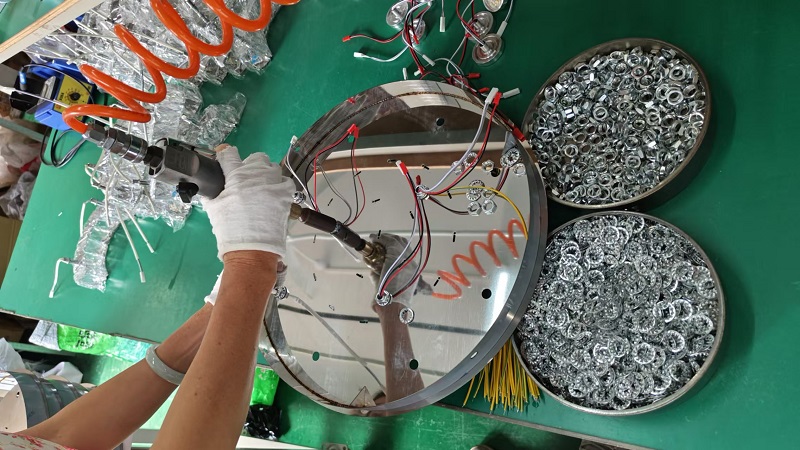
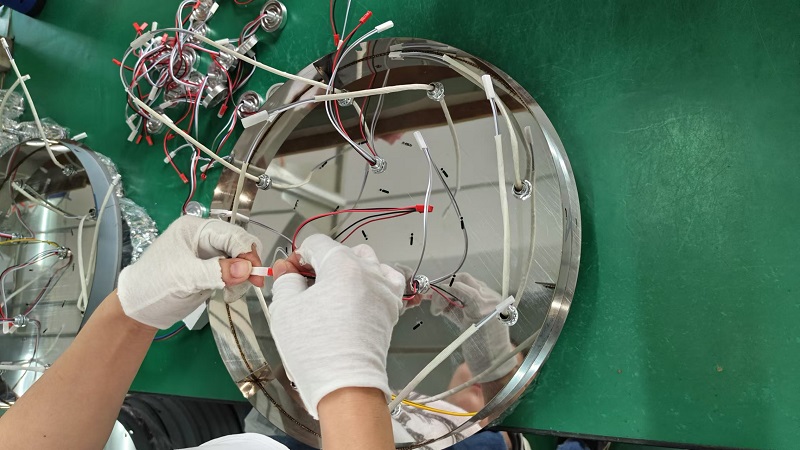
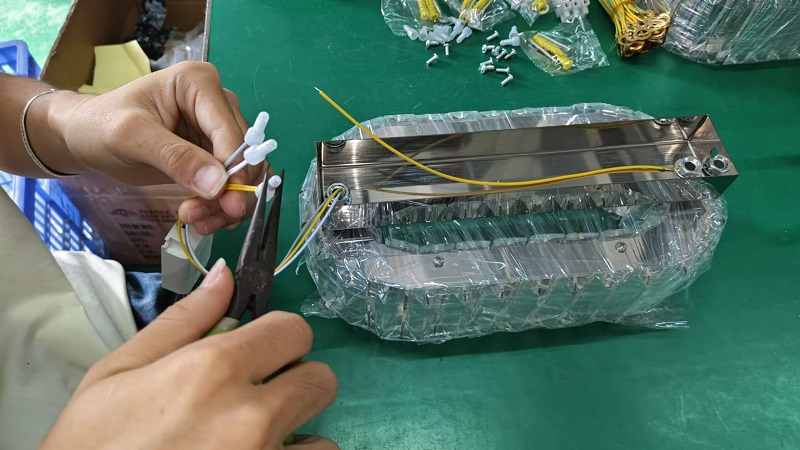
Located in Linyi, Shandong Province, China, our company operates modern manufacturing facilities equipped with advanced production equipment and complete testing systems. From product design and mold development to manufacturing, quality inspection, and packaging, every production process is carried out under strict quality control to ensure stable performance, safety, and long service life.
Our experienced R&D and technical teams continuously develop innovative products that meet international market standards while improving energy efficiency and user experience. We are committed to providing environmentally friendly, durable, and cost-effective lighting solutions for customers around the world. Today, our products are exported to many countries and regions, including Europe, North America, South America, Southeast Asia, the Middle East, and Africa. Through reliable product quality, competitive pricing, on-time delivery, and responsive customer service, we have established long-term partnerships with customers across the globe and earned an excellent reputation in the international market.







A key engineering challenge when implementing microwave sensors inside Neapolitan retrofits is the thickness and mineral density of ancient structural walls (often constructed from volcanic tuff or dense stone). Unlike drywall, which allows 5.8GHz waves to propagate easily, dense stone absorbs or reflects electromagnetic waves. This calls for highly calibrated sensor configurations.
SciBrite’s R&D team addresses this by incorporating adjustable detection range dip-switches on our integrated sensor drivers. Installers can easily throttle detection ranges from 10% up to 100% capacity to prevent ghost-triggering through windows or solid partitions, ensuring that the light operates only when the detection space is physically occupied.
In proximity to the Gulf of Naples, atmospheric moisture contains elevated levels of sodium chloride. Standard copper circuits in low-cost LED drivers oxidize rapidly under these conditions, causing premature failure. SciBrite mitigates coastal oxidation through a dual-step coating process:
Naples experiences high summer temperatures, often exceeding 35°C. PIR sensors detect movement by sensing temperature differences between human bodies and the background environment, making them unreliable in hot conditions. Microwave radar sensors operate via high-frequency radio waves, delivering consistent detection accuracy regardless of the ambient temperature.
Our outdoor bulkhead and ceiling lights feature IP65-rated enclosures and UV-stabilized polycarbonate shells. Additionally, the interior PCBs are treated with protective conformal coatings to prevent oxidation from humid, salt-rich sea air typical of coastal Naples.
Yes, all our LED sensor ceiling lights are fully certified to carry CE and UKCA markings. They meet strict European safety, electromagnetic compatibility (EMC), and environmental standards, ensuring smooth customs clearance and import compliance.
3CCT technology allows a single fixture to be adjusted between three Color Temperatures (typically 3000K, 4000K, and 6500K) via an on-board toggle switch. For distributors, this reduces stocking requirements by 66% while meeting diverse customer demands for different color temperatures.
Microwave radar sensors can detect motion through thin drywalls, glass windows, and wooden doors. To prevent unwanted triggers, SciBrite designs sensors with adjustable sensitivity settings, allowing installers to fine-tune the detection zone during installation.