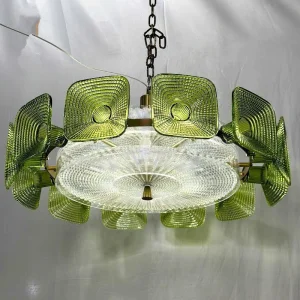
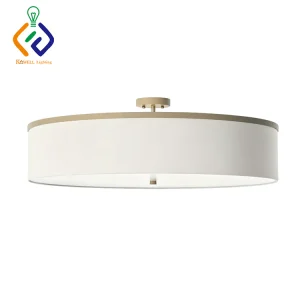
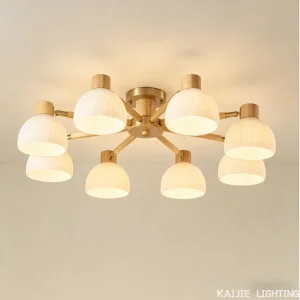
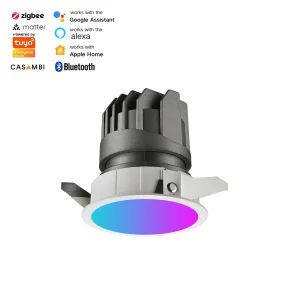
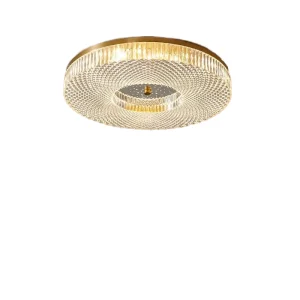
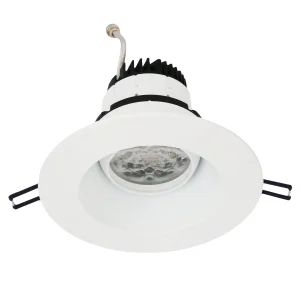
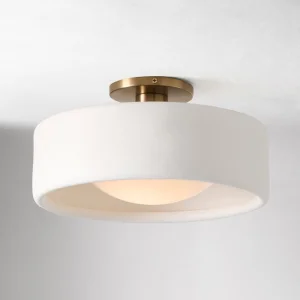
Premium Architectural Commercial & Residential Lighting Solutions
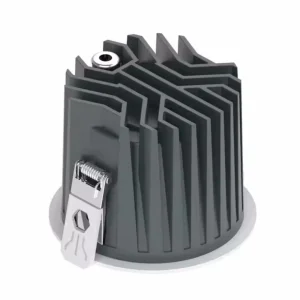
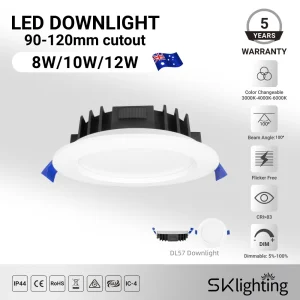
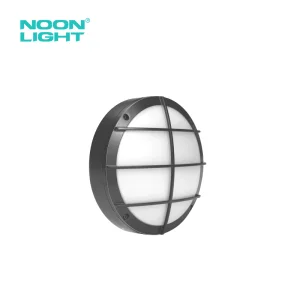
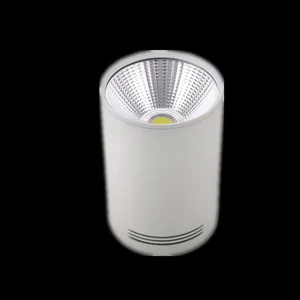
Strategic transformation within heavy industries toward highly localized, energy-intelligent solid-state lighting systems.
Modern industrial sites demand higher luminous efficacy. Transitioning from traditional HID to LED fixtures offering up to 180 lm/W to 200 lm/W allows global enterprises to minimize electrical loading, satisfy environmental sustainability charters, and decrease operating expenditures (OPEX) by up to 70% compared to legacy lighting designs.
Next-generation High Bay structures integrate localized sensors and connected DALI, Tuya Zigbee, or 0-10V dimming controllers. By incorporating advanced sensors directly into the luminaire array, operations managers gain access to occupancy mapping, scheduled harvesting of natural daylight, and predictive maintenance diagnostics.
The lifespan of a High Bay luminaire depends on its thermal architecture. Industrial environments generate elevated ambient temperatures, requiring robust heat dissipation. Standard high bay designs employ die-cast aluminum (such as ADC12) featuring specialized aerodynamic thermal fins. This design prevents thermal accumulation at the LED junction, extending the operational lifespan of the components to over 50,000 hours under extreme conditions.
Furthermore, optical designs have transitioned from basic acrylic diffusers to precise glass and polycarbonate lenses. These components control beam angles (typically 60°, 90°, or 120°) to direct light exactly where needed. This approach minimizes light spill, manages Unified Glare Rating (UGR), and optimizes visual performance in workspaces.
Key quality parameters, electrical safety codes, and environmental guidelines for international high-bay lighting procurement.
For industrial structures subject to heavy machine vibration, overhead crane operation, or external impacts, fixtures must possess certified IK08 to IK10 shock protection ratings to ensure structural integrity and prevent drop risks.
In facilities with moisture, particulate, or chemical cleanups, procurement standards require IP65 or IP66 dust-tight and water-resistant designs. These ratings maintain structural integrity and prevent optical degradation.
Industrial power grids require clean electrical loads. High-quality specifications demand Power Factor (PF) metrics greater than 0.95 and Total Harmonic Distortion (THD) levels below 15% to protect sensitive control circuitry.
| Industrial Application | Recommended Lux Level | Minimum CRI Required | Optimal Color Temp (CCT) | Ingress / Impact Protection |
|---|---|---|---|---|
| Heavy Logistics & Warehouses | 150 - 300 Lux | Ra > 80 | 4000K - 5000K | IP65 / IK08 |
| Precision Manufacturing Line | 500 - 750 Lux | Ra > 90 | 5000K - 6500K | IP54 / IK07 |
| Cold Storage Facilities (-30°C) | 200 - 300 Lux | Ra > 80 | 4000K - 5000K | IP66 / IK10 |
| Heavy Foundry & Assembly Shop | 300 - 500 Lux | Ra > 80 | 5700K | IP66 / IK10 / High Temp Rated |
How vertically integrated manufacturing hubs deliver reliable quality, dynamic customization, and cost efficiencies.
Chinese lighting manufacturers operate within integrated industrial zones that support raw material sourcing, automated SMT (Surface Mount Technology) assembly, and aluminum extrusion tooling. This close integration shortens production lead times and helps buffer global supply chains against shipping disruptions.
For international buyers, this structural configuration enables responsive design modifications. Changes to customized driver configurations, tailored beam distribution patterns, or custom bracket arrays can be prototyped and moved to production with high efficiency.
Under Industry 4.0 frameworks, quality testing is integrated directly into the production flow. Every batch of luminaires undergoes computerized spectrometer analysis, goniophotometer measurement to generate detailed IES layout files, and high-voltage surge testing. This process ensures the electrical stability of driver units against grid surges, which is critical for maintaining reliable operations in demanding industrial environments.
A Professional Global OEM/ODM Manufacturer of High-Quality LED Lighting Products.
Shandong SciBrite Lighting Co., Ltd. is a professional manufacturer specializing in the research, development, production, and sales of high-quality LED lighting products. With years of industry experience and a strong commitment to innovation, we provide reliable lighting solutions for residential, commercial, and industrial applications worldwide.
Our main product range includes LED ceiling lights, ceiling lamp bases, moisture-proof lights, bulkhead lights, panel lights, and other indoor lighting products. We also offer comprehensive OEM and ODM services, enabling customers to customize product design, specifications, packaging, and branding according to their market requirements. Whether for engineering projects, wholesale distribution, cross-border e-commerce, or private-label business, SciBrite Lighting is dedicated to delivering flexible and professional solutions.
Located in Linyi, Shandong Province, China, our company operates modern manufacturing facilities equipped with advanced production equipment and complete testing systems. From product design and mold development to manufacturing, quality inspection, and packaging, every production process is carried out under strict quality control to ensure stable performance, safety, and long service life.
Our experienced R&D and technical teams continuously develop innovative products that meet international market standards while improving energy efficiency and user experience. We are committed to providing environmentally friendly, durable, and cost-effective lighting solutions for customers around the world.
Today, our products are exported to many countries and regions, including Europe, North America, South America, Southeast Asia, the Middle East, and Africa. Through reliable product quality, competitive pricing, on-time delivery, and responsive customer service, we have established long-term partnerships with customers across the globe and earned an excellent reputation in the international market.
Adhering to the business philosophy of "Quality First, Innovation Driven, Customer Focused, and Win-Win Cooperation," Shandong SciBrite Lighting Co., Ltd. continuously strives to create greater value for our customers and partners. We warmly welcome customers from around the world to cooperate with us and build a brighter future together.
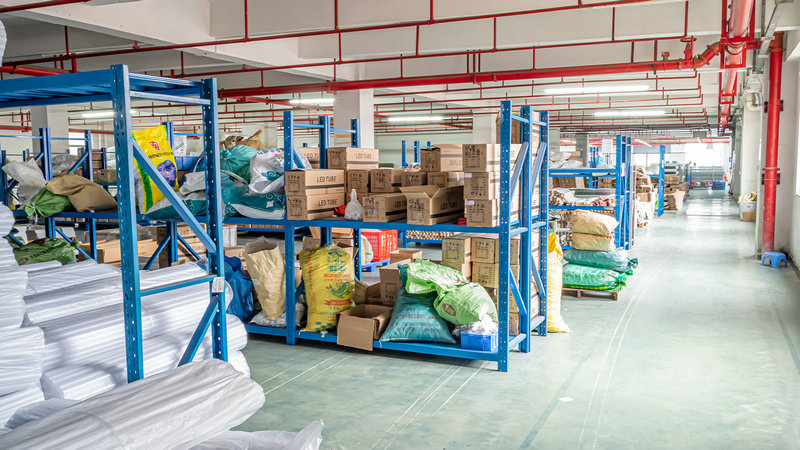
Incoming quality control (IQC) tests physical dimensions, structural parameters, and electronic properties of all incoming materials prior to production routing.
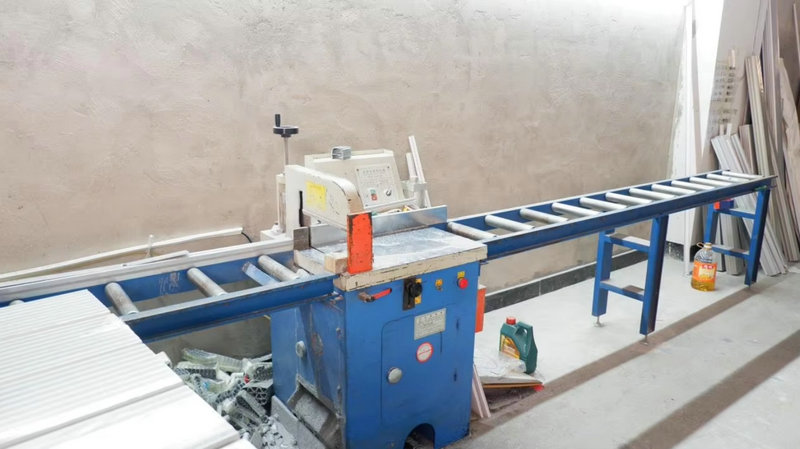
Precision cutting of structural profiles, extrusion tracks, and aluminum thermal sinks to exact project tolerances using automated sawing machinery.
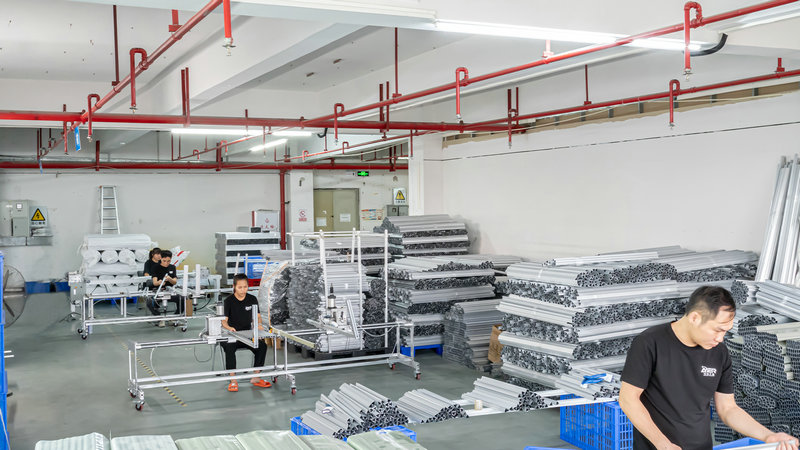
Automated drilling machines prepare precise mounting points, electrical routing passages, and thermal hardware attachments on fixture backplanes.
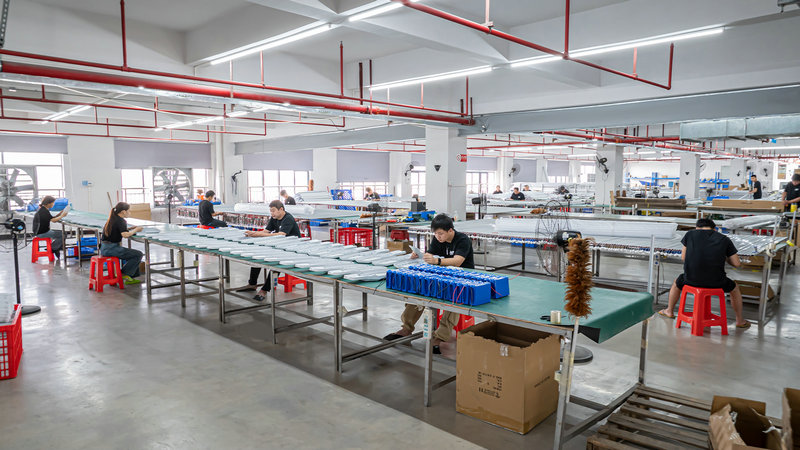
Technicians assemble primary components, integrating structural chassis components with optical lenses and power connection modules.
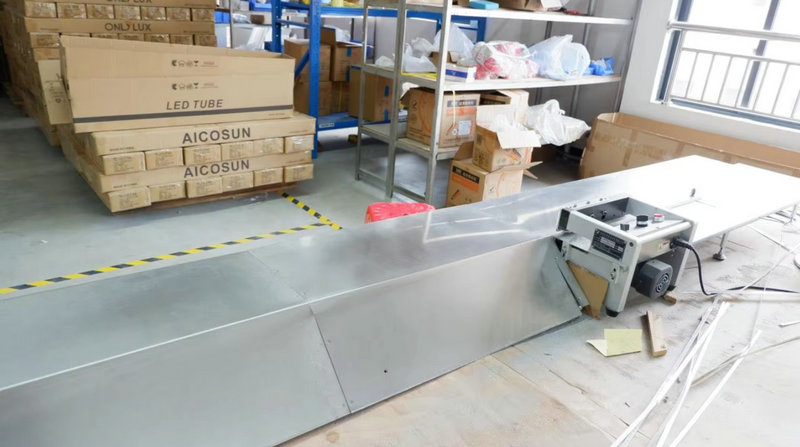
The main assembly floors use modular stations that allow rapid adjustments between high-volume standard runs and customized OEM configurations.
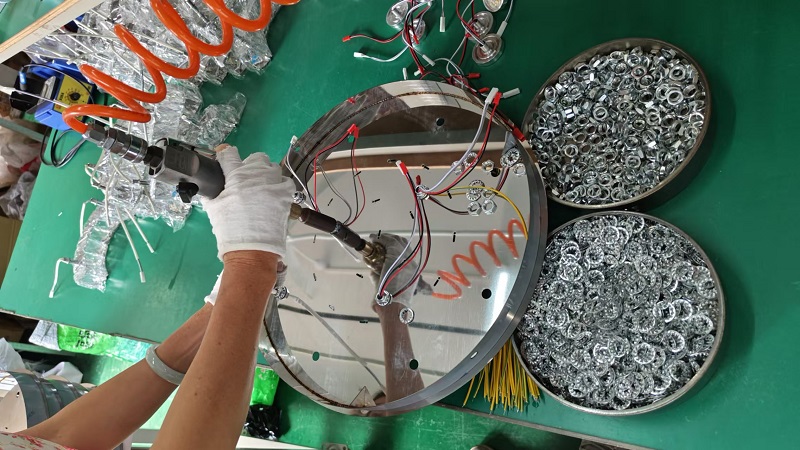
Precision installation of power drivers, thermal interfaces, and wire connections. Every contact point is tested for electrical safety and continuity.
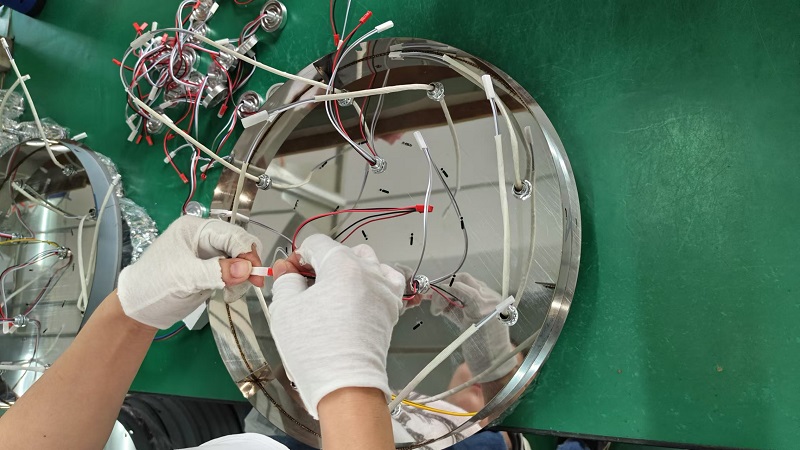
Automated machines place LED chip boards, aligning light engine arrays with precision thermal pads on the aluminum heat sinks.
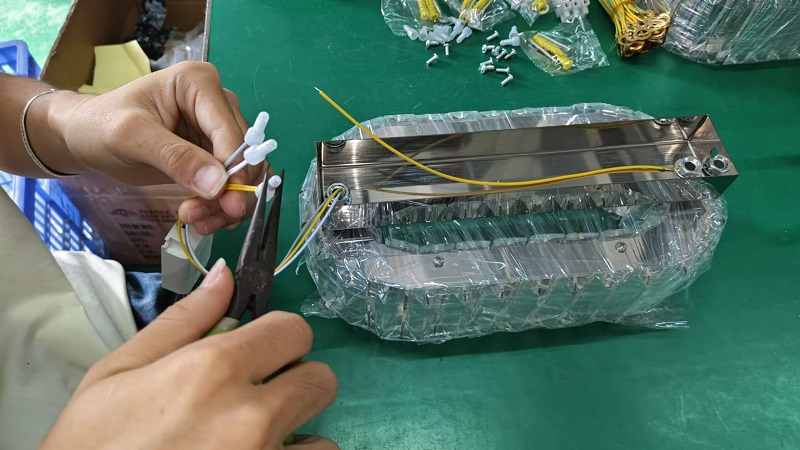
Technicians configure internal routing, input safety loops, and dimming control channels to verify electrical integrity and isolate potential faults.
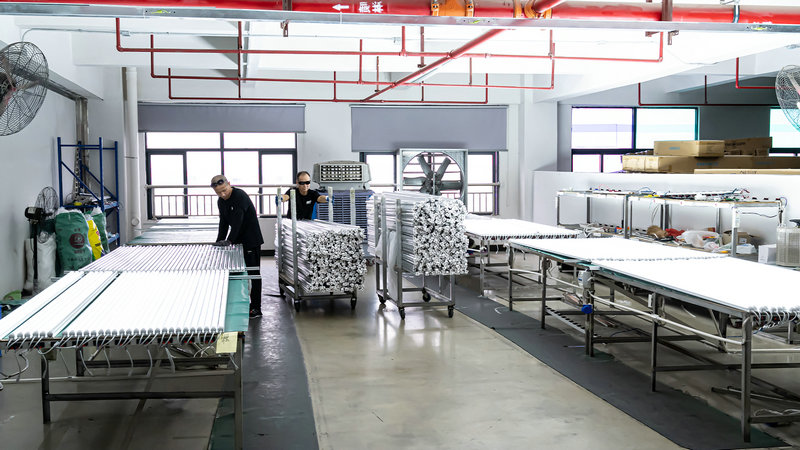
Assembled fixtures undergo full-load burn-in aging tests for 48 hours to stress-test components under heat and detect infant mortality failures.
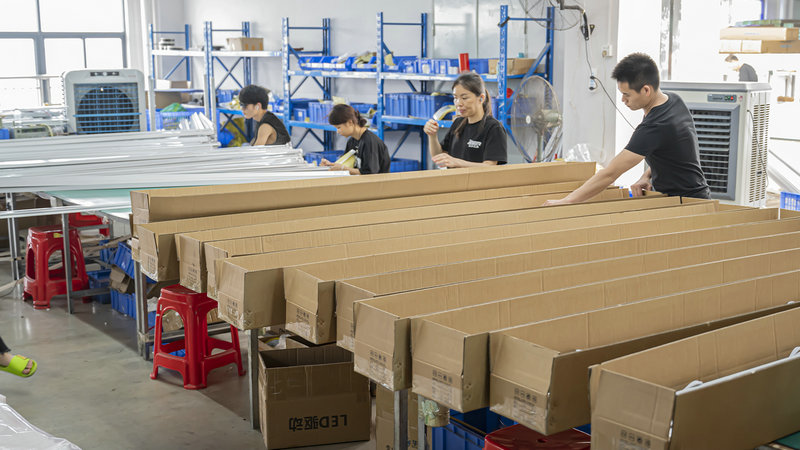
Finished products are packed into drop-tested custom cartons with molded shock-absorbing inserts to protect the optical panels during transit.
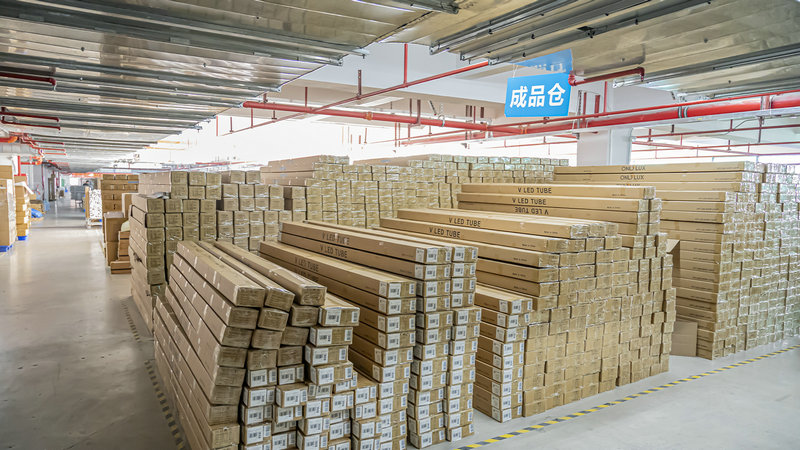
Completed and certified products are cataloged and stored in climate-controlled staging zones, ready for bulk shipment and export processing.
Selecting optical profiles and lux distribution parameters for specific industrial applications.
High-density warehousing requires directional, narrow-beam optical distribution. Applying a 60° to 90° optical beam angle prevents light wastage on upper rack tiers, directing illumination directly into pedestrian and forklift transit corridors. This increases structural efficiency and improves operator safety.
Metal processing areas demand high-CRI illumination to identify structural surface micro-fissures, weld defects, and dimensional anomalies. Using fixtures with a Colour Rendering Index (CRI) of Ra > 90 and a color temperature of 5000K helps maintain quality control standards in production lines.
To determine the exact number of luminaires needed to meet specific target lux values within industrial work zones, engineering teams utilize the Lumen Method calculation:
Where the design parameters are defined as:
Expert answers addressing electrical characteristics, thermal systems, and compliance criteria.
UFO high bays utilize a circular footprint, typically housing a integrated circular LED array and a single central driver configuration. These are ideal for open spaces, factories, and retail environments with uniform ceiling heights. Linear high bays are designed for rack-style warehouse layouts. Their elongated profile projects light in a rectangular distribution pattern, maximizing target lux output within long, narrow aisles while reducing spill lighting on shelving faces.
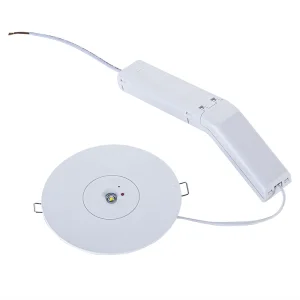
Lithium Iron Phosphate (LiFePO4) batteries offer significant advantages over traditional Ni-Cd and Lead-Acid chemistries. They provide up to four times the cycle lifespan, operate safely in ambient temperatures up to 60°C without risk of thermal runaway, and feature high charge retention. This ensures safety backup systems (like the DE-808S Recessed Downlight) function reliably during sudden mains failures.
High UGR ratings cause glare that can lead to physical fatigue, visual discomfort, and reduced productivity for equipment operators. Industrial standards typically specify UGR < 22 for logistics spaces, and UGR < 19 for precision manufacturing areas. This is managed through physical shielding, micro-prismatic diffusers, and deep-set optical lens arrays.
The main causes of driver failure are excessive thermal accumulation, input voltage surges, and poor capacitor design. Industrial-grade fixtures address these issues by using drivers with built-in 6kV to 10kV surge protection, robust metal housings for heat dissipation, and high-quality components (such as long-life solid-state capacitors) that withstand temperature swings.
Premium Architectural Commercial & Residential Lighting Solutions